


Why Height-Adjustable Standing Desks Are Becoming a Workplace Essential
In modern workplaces, the traditional office setup is evolving faster than ever. The days of fixed desks and long hours of uninterrupted sitting are giving way to flexible, dynamic work environments that prioritize employee wellbeing, comfort, and productivity. One of the most significant innovations driving this change is the rise of height-adjustable standing desks.
These desks are more than a passing trend; they are a strategic investment in both employee health and organizational performance. By allowing users to alternate seamlessly between sitting and standing, they reduce the physical strain associated with prolonged sitting, improve posture, and encourage movement throughout the day. This simple adjustment can have a profound impact on overall wellbeing, from reducing back and neck pain to lowering the risk of chronic diseases associated with sedentary work.
Beyond health, height-adjustable desks have been shown to enhance focus, engagement, and collaboration. Employees report feeling more energized and alert, while teams working in adaptable setups often experience increased interaction and creativity. In hybrid and home working scenarios, these desks offer the flexibility to create ergonomic workspaces anywhere, making them an essential tool for modern professionals.
As organizations increasingly recognize the link between workplace design and employee performance, height-adjustable desks are no longer optional, they are becoming a cornerstone of a smarter, healthier, and more productive work environment.
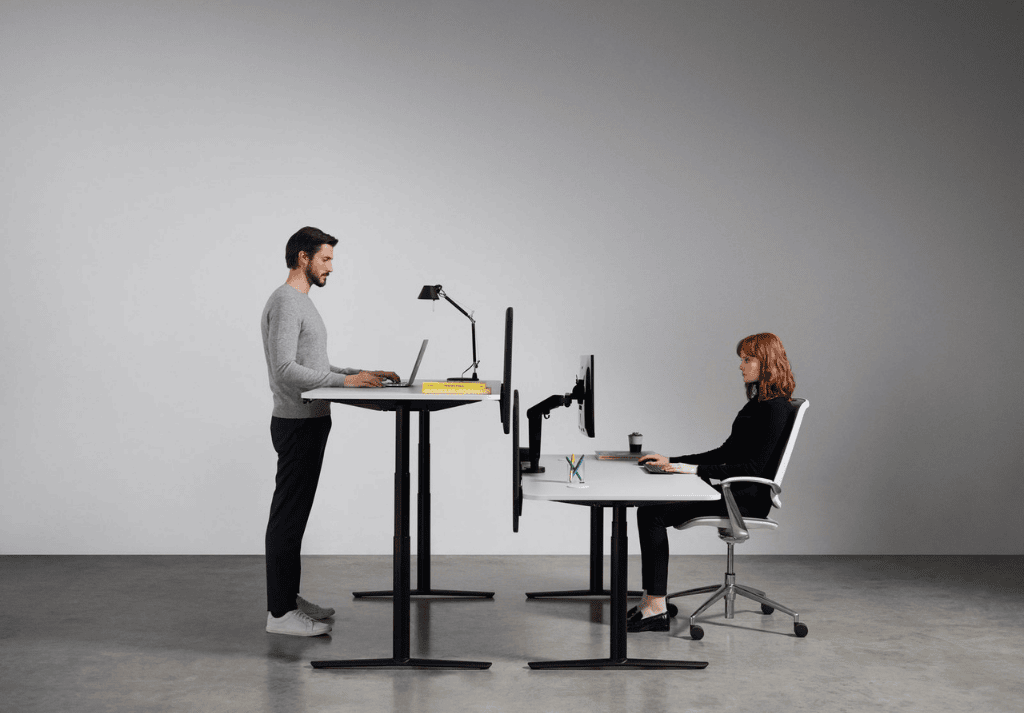
Table of Contents
Understanding the Benefits of Standing Desks
What Are the Benefits of a Standing Desk?
Where to use Height-Adjustable Desks
How to Choose the Right Height-Adjustable Desk
Electric vs Manual Height-Adjustable Desks – Which is better?
Best Practices for Standing Desk Use
What Furniture to Pair with a Height-Adjustable Desk
Benefits of Height-Adjustable Desks for Modern Workplaces
Elevate Your Workspace with Height-Adjustable Desks from BT Office
FAQs for Height-Adjustable Standing Desks
Understanding the Benefits of Standing Desks
One of the main reasons companies are embracing standing desks is the benefits of standing desk use for daily office routines. Alternating between sitting and standing throughout the day encourages regular movement, which helps counter the negative effects of prolonged sitting, a habit linked to obesity, heart disease, and decreased lifespan. Standing periodically improves circulation, keeps muscles active, and prevents stiffness in the back, hips, and legs.
Research shows that employees using height-adjustable desks experience up to 45% less fatigue by the end of the workday compared to those who sit continuously. Beyond physical health, standing promotes mental alertness: increased blood flow to the brain enhances focus, creativity, and decision-making. Some workplaces have even observed a 10–20% boost in productivity when employees alternate between sitting and standing, as it helps maintain energy during long meetings, video calls, or focused work sessions.
Standing desks also encourage natural micro-movements, such as stretching or walking to a colleague, which supports metabolic health. In hybrid or open-plan offices, height-adjustable desks provide employees with the flexibility to create a personalized workflow, enhancing both comfort and performance.
What Are the Benefits of a Standing Desk?
Many people ask, “what are the benefits of a standing desk?” While improved posture is one of the most recognised advantages, the full benefits of standing desk use extend far beyond simple ergonomic correction. Incorporating standing into your daily routine can positively influence physical health, mental performance, and even workplace culture. By reducing prolonged sitting and encouraging regular movement, height-adjustable solutions support a healthier, more dynamic way of working.
Calorie burning
One of the practical benefits of standing desk use is increased calorie expenditure compared to sitting. Even during light desk tasks such as typing, emailing, or attending virtual meetings, standing burns more calories than remaining seated. Although the hourly difference may appear modest, over time it can contribute to improved weight management and better metabolic function. More importantly, alternating between sitting and standing helps prevent the metabolic slowdown linked to long sedentary periods.
Improved focus
Among the key ergonomic benefits of standing desk setups is improved circulation, which increases oxygen flow to the brain and supports cognitive performance. Many users report higher energy levels and greater alertness throughout the day. Changing posture can also serve as a mental reset, helping reduce brain fog and maintain productivity during demanding tasks. This is one of the reasons organizations recognize the benefits of height adjustable desks in supporting sustained concentration and efficiency.
Reduced risk of chronic disease
Extended sitting has been associated with increased risks of cardiovascular disease, type 2 diabetes, and other sedentary-related health conditions. While a standing desk does not replace regular exercise, it plays an important role in reducing overall sitting time. By breaking up prolonged sedentary periods, users can support healthier blood sugar regulation, improved circulation, and better long-term heart health. This reinforces why many ask, “is a standing desk good for you?” and why the answer is increasingly yes when used correctly.
Enhanced collaboration
Another often overlooked benefit is the positive impact on teamwork. Standing naturally encourages interaction and active participation. Meetings conducted at standing height tend to be shorter, more focused, and more energetic. In collaborative zones, the flexibility provided by height-adjustable workstations allows teams to transition easily between individual tasks and group discussions, maximizing the overall benefits of height adjustable desks in modern working environments.
Where to use Height-Adjustable Desks
Height-adjustable desks are versatile and can enhance nearly every workspace. Knowing where to place them ensures maximum benefit for both productivity and wellbeing.
Individual Workstations
Ideal for personal desks at work or at home, these desks allow users to alternate between sitting and standing throughout the day. Switching positions can reduce back and neck strain, improve circulation, and boost energy levels. For example, someone writing reports or managing spreadsheets can stand for 30–60 minutes at a time to prevent fatigue, then sit for focused deep work. Personal control over desk height ensures a customized ergonomic setup for long-term comfort.
Shared or Hot-Desking Areas
In flexible workspaces, height-adjustable desks let multiple users quickly set the desk to their preferred height, creating a more comfortable and ergonomic environment for everyone. Hot-desking often causes issues with posture or discomfort due to static setups, but adjustable desks allow each employee to adapt the workspace for their body, promoting healthier habits and increasing overall satisfaction with shared spaces.
Meeting or Conference Areas
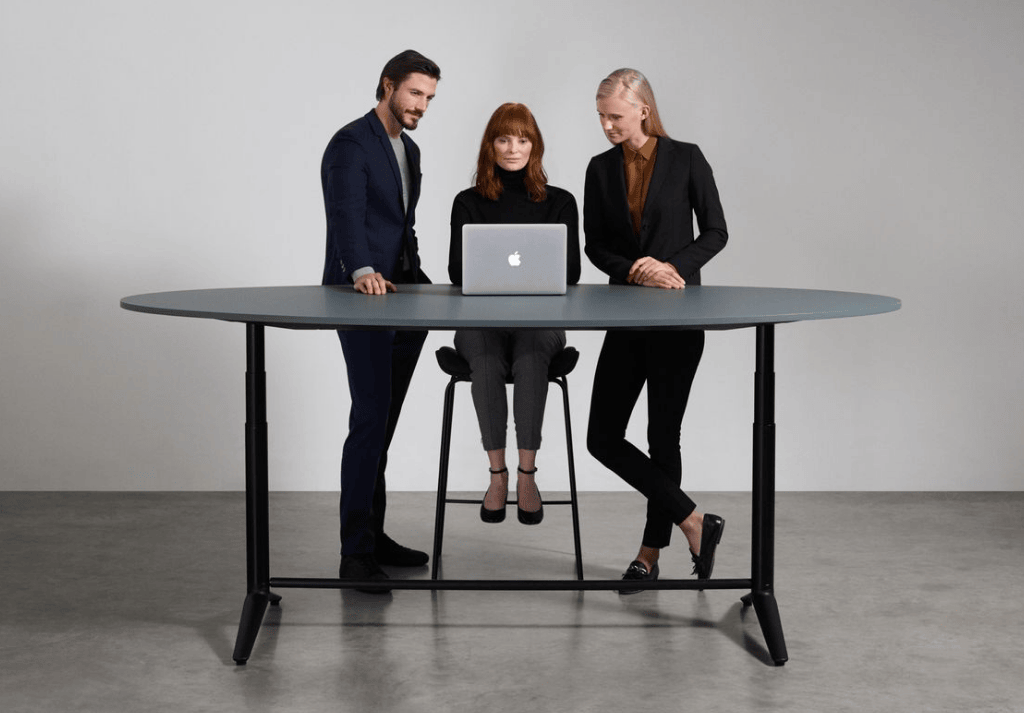
Incorporating adjustable desks into meeting rooms encourages standing meetings, which are often shorter, more focused, and more engaging. Participants are more likely to actively contribute and remain alert, reducing unnecessary downtime. Adjustable desks also allow attendees to switch between sitting and standing during long sessions, minimizing stiffness and promoting movement without interrupting workflow.
Collaborative Zones
Perfect for brainstorming or teamwork spaces, adjustable desks allow team members to stand, move, and interact freely. This flexibility fosters creativity and dynamic communication, as employees can gather around a desk at standing height for discussion or quickly adjust to sitting for detailed planning. The mobility offered by these desks supports active collaboration, making group work more efficient and engaging.
Wellness or Focus Zones
In quiet or focus areas, adjustable desks provide users the ability to change posture without leaving their workspace, supporting mental clarity and physical wellbeing. Employees or home users can switch positions to reduce fatigue, improve circulation, and maintain concentration during tasks such as writing, coding, or research. Combined with ergonomic chairs or anti-fatigue mats, these zones become ideal for deep, uninterrupted work.
Home Workspaces
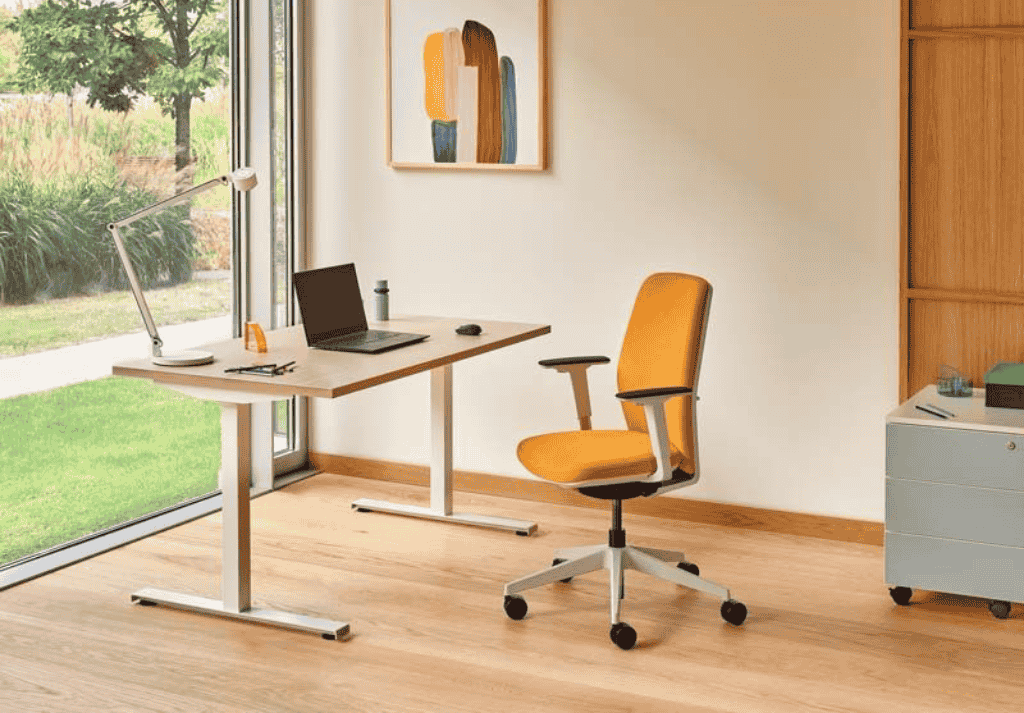
Height-adjustable desks are equally valuable at home, supporting remote workers, students, or freelancers in creating a flexible and healthy workstation. Alternating between sitting and standing can reduce the health risks of long hours at a desk, improve posture, and enhance focus. These desks also make it easier to integrate short movement breaks into the day, which is particularly beneficial for home workers who may have fewer natural opportunities to walk or move.
By placing height-adjustable desks in these key areas, both professional and home environments can encourage movement, promote ergonomic comfort, and enhance overall wellbeing, making workdays more productive, healthier, and more enjoyable.
How to Choose the Right Height-Adjustable Desk
Selecting the right height-adjustable desk is essential to maximize comfort, productivity, and the ergonomic benefits of standing desk use. Here are key factors to consider when choosing the ideal desk for work or home:
1. Height Range and Adjustability
The desk should accommodate your height both while sitting and standing. Ideally, it should allow your elbows to remain at a 90-degree angle and your monitor at eye level. Many desks offer electric or manual adjustment options, electric models provide smooth, effortless transitions, while manual models may require more effort but are often more budget-friendly.
2. Desk Size and Surface Area
Choose a desk with enough space for your monitor, laptop, keyboard, and other essentials. If you use multiple monitors or need extra room for paperwork, a larger surface is important. Compact desks are ideal for home setups or smaller spaces, while larger desks suit professional environments or collaborative areas.
3. Stability and Build Quality
A high-quality desk should remain stable at any height to prevent wobbling, especially when using multiple monitors or typing vigorously. Look for desks with robust frames, solid construction, and weight capacity that matches your equipment.
4. Ease of Use
Consider how easy it is to adjust the desk. Electric desks often come with programmable height presets for quick transitions, while manual crank desks may take longer. Choose a model that fits your workflow and encourages regular use.
5. Ergonomic Accessories
Maximize the benefits by pairing your desk with ergonomic accessories such as monitor arms, keyboard trays, or anti-fatigue mats. These additions improve posture, reduce strain, and enhance the overall comfort and usability of your workspace.
6. Budget and Warranty
Height-adjustable desks come in a wide price range. While premium models may offer smoother adjustments and better build quality, there are also reliable mid-range options that provide excellent functionality. Check for warranties that cover the frame and adjustment mechanism to ensure long-term value.
Choosing the right desk ensures that you enjoy the full benefits of height adjustable desks, whether at home or in a professional setting. The right desk not only improves posture and comfort but also encourages regular movement, enhances focus, and supports long-term health.
Electric vs Manual Height-Adjustable Desks – Which is better?
When choosing a height-adjustable desk, one of the key decisions is whether to go with an electric or manual model. Both options offer the benefits of height adjustable desks, but each has unique advantages depending on your workspace needs, budget, and usage patterns.
Electric Height-Adjustable Desks
Electric desks use a motorised mechanism to smoothly raise or lower the desk at the push of a button.
Advantages:
- Effortless adjustments: Switching between sitting and standing is quick and easy, even multiple times a day.
- Programmable heights: Many electric desks allow you to save preferred heights—up to 4 memory positions—making them perfect for hot-desking environments.
- Full height range: Electric desks typically offer a wider adjustment range, accommodating users of all heights comfortably.
- Ease of use: Simple operation means no strain or effort when adjusting the desk.
Considerations:
- Higher cost: Electric desks are generally more expensive than manual options, though the investment is offset by convenience and usability.
- Requires power: A nearby outlet is necessary to operate the motorised mechanism.
- Maintenance: Although reliable, motorised parts may require occasional servicing over time
Manual Height-Adjustable Desks
Manual desks use a hand crank or mechanical lever to adjust the desk height.
Advantages:
- Cost-effective: Often significantly less expensive than electric options.
- No power required: Can be placed anywhere without worrying about outlets.
- Maintenance: Although reliable, motorised parts may require occasional servicing over time
Considerations:
- Adjustments take more effort and time: Making frequent changes less convenient.
- Limited height range: May not accommodate all users comfortably.
Which One Should You Choose?
While both options provide the core ergonomic benefits of standing desk use, electric desks are usually the better choice for modern workspaces, especially shared offices or home setups where frequent adjustments are needed. Manual desks can work well for occasional use or smaller budgets, but they don’t offer the full height range or the convenience of memory settings that make electric desks so practical.
At BT Office, we recommend electric desks because they deliver the full ergonomic benefits of standing desk use. Manual desks often don’t go as high (approximately 710–1150 mm), while electric desks can range from 630–1280 mm or more, offering greater flexibility. The memory position feature is ideal for shared workspaces, and for a small additional investment, the convenience and long-term usability make electric desks a no-brainer.
Explore our extensive range of height-adjustable desks to find the perfect solution for your workspace.
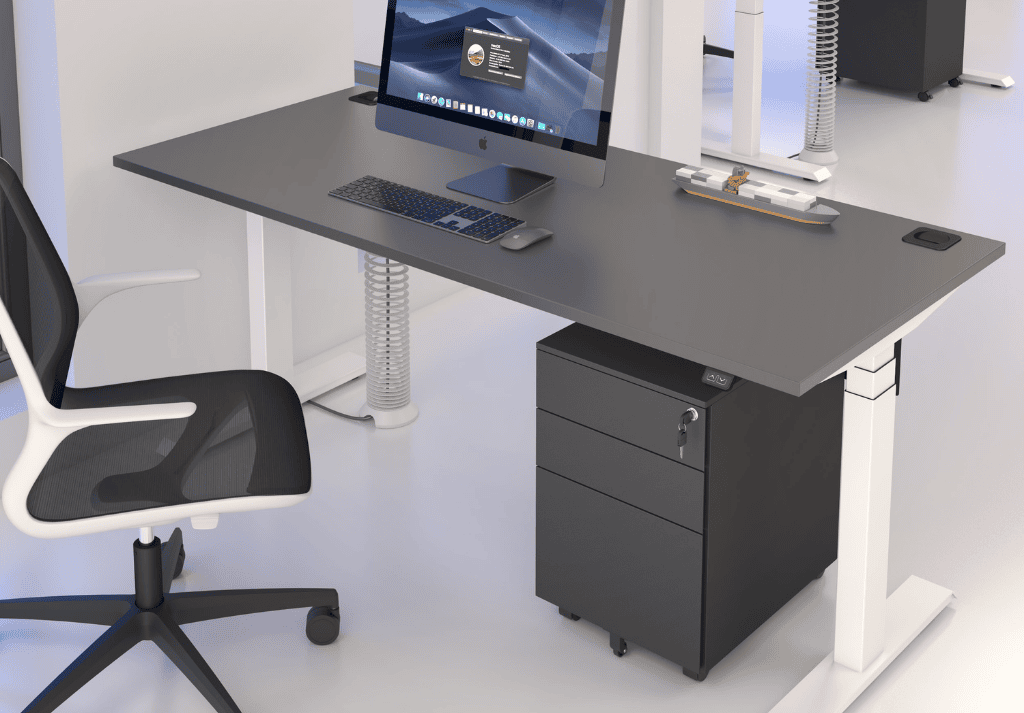
Best Practices for Standing Desk Use
To get the full benefits of standing desk use, it’s important to follow key best practices. Simply owning a height-adjustable desk isn’t enough, how you use it makes all the difference for comfort, productivity, and long-term health.
1. Alternate Between Sitting and Standing
One of the most important ergonomic benefits of standing desk use comes from movement. Experts recommend alternating between sitting and standing every 30–60 minutes. This prevents fatigue, reduces strain on your legs and lower back, and keeps blood circulation flowing throughout the day. Using a timer or reminder can help maintain a consistent routine.
2. Maintain Proper Posture
Whether sitting or standing, proper posture is critical. Keep your monitor at eye level, elbows at a 90-degree angle, and shoulders relaxed. Standing too close or too far from your desk can create tension, so adjust your desk height carefully to match your body.
3. Use Supportive Accessories
Pairing your height-adjustable desk with accessories enhances comfort and maximizes the benefits of height adjustable desks. Consider:
- Adjustable ergonomic chair for seated periods
- Monitor arms to maintain proper screen height
- Anti-fatigue standing mat to reduce strain on feet, legs, and lower back
These accessories prevent discomfort, improve posture, and make standing for extended periods more sustainable.
4. Listen to Your Body
Every person’s ideal sitting-to-standing ratio is different. Pay attention to signs of discomfort or fatigue and adjust your routine accordingly. Over time, you’ll find a rhythm that keeps you energized, focused, and comfortable throughout your workday.
5. Optimize Your Workspace
Ensure your workspace layout supports natural movement. Keep frequently used items within reach, use cable management to prevent tangling during height adjustments, and maintain a clutter-free surface. A well-organized setup allows you to reap the full benefits of standing desk use without disruption.
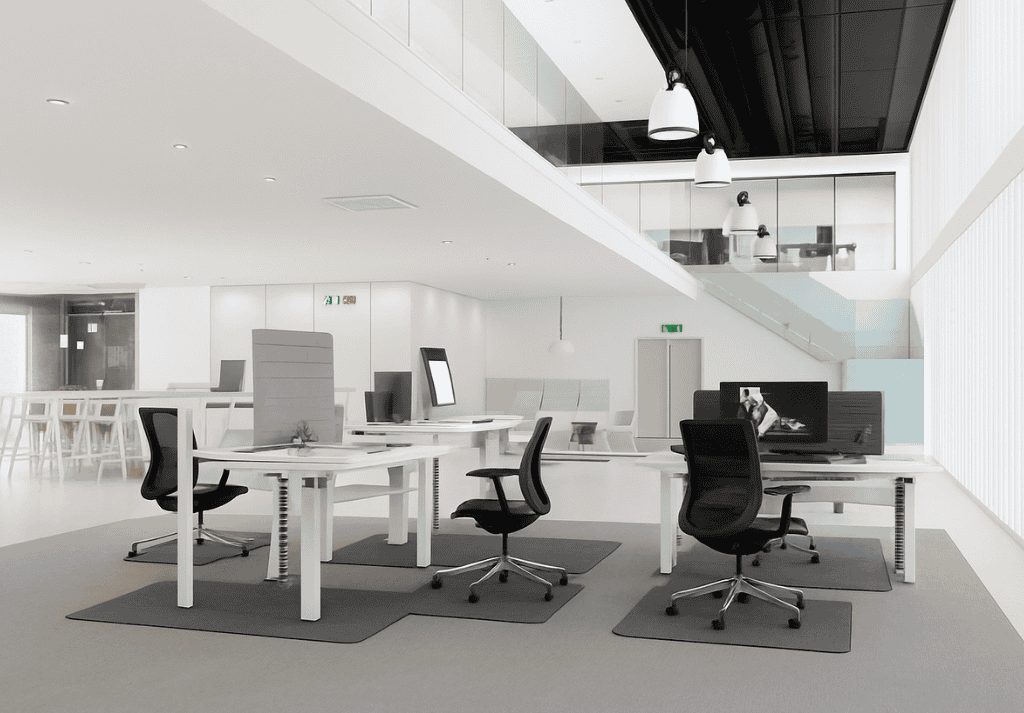
What Furniture to Pair with a Height-Adjustable Desk
To maximise the benefits of height adjustable desks, it’s important to consider the supporting furniture and accessories that complete your setup. A height-adjustable desk works best as part of a fully ergonomic workstation, designed to promote comfort, efficiency, and long-term wellbeing.
Pedestal Storage
A desk pedestal provides convenient, secure storage for documents and personal items without cluttering the desktop. Slimline, under-desk pedestals maintain legroom and flexibility, especially important when transitioning between sitting and standing. Lockable options also help support shared or hot-desking environments.
Adjustable Ergonomic Computer Chair
Even with the many benefits of standing desk use, sitting remains part of a healthy workday. A high-quality ergonomic computer office chair with adjustable seat height, lumbar support, armrests, and tilt functions ensures proper posture while seated. Pairing a height-adjustable desk with an ergonomic chair allows users to seamlessly alternate positions without compromising spinal alignment.
Desk-Mounted Screens
Desk-mounted screens help define workspaces and reduce distractions. In open-plan environments, these screens improve concentration by limiting visual disruption and helping to absorb surrounding noise. They also support the ergonomic benefits of standing desk setups by creating a more focused, comfortable working environment.
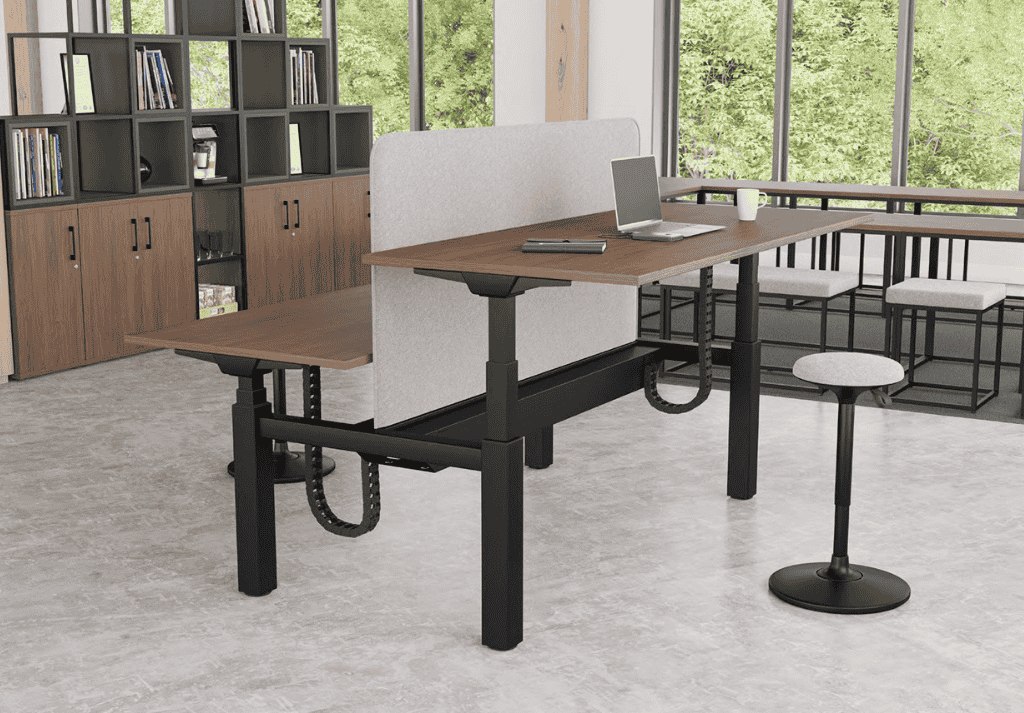
Desk-mounted screens are a particularly great addition when the height-adjustable desk is configured as a back-to-back workstation. In these layouts, screens provide privacy between users, reduce cross-desk distractions, and help create clearly defined personal space while maintaining the flexibility and functionality of the adjustable setup.
Monitor Arms
Monitor arms are essential for achieving optimal screen positioning. They allow users to adjust height, depth, and angle easily, ensuring the monitor remains at eye level whether sitting or standing. This significantly reduces neck and shoulder strain and enhances the overall ergonomic setup.
Cable Management Solutions
When desks move up and down, cable management becomes critical. Cable trays, spines, and under-desk baskets keep wires organised and prevent tangling or pulling during height adjustments. Effective cable management improves safety, protects equipment, and maintains a clean, professional appearance.
Integrated Power Modules
Built-in or desktop power modules provide easy access to power outlets and USB charging without trailing cables across the workspace. This is particularly beneficial in shared environments or home offices where flexibility and accessibility are key.
By partnering a height-adjustable desk with the right supporting furniture, you create a complete ergonomic workstation that enhances comfort, organization, and productivity. Investing in the full setup ensures you experience the true benefits of height adjustable desks, not just flexibility in movement, but a fully optimised workspace designed for modern working.
Benefits of Height-Adjustable Desks for Modern Workplaces
The benefits of height adjustable desks extend beyond individual health; they improve organizational outcomes too. Companies report higher employee satisfaction, reduced absenteeism due to musculoskeletal complaints, and even gains in productivity. In hybrid work models, adjustable desks provide the adaptability employees need, whether working from home or in the office.
Investing in height-adjustable desks demonstrates a commitment to employee wellbeing, signalling that the company values comfort, health, and efficiency, a message that can improve retention and workplace morale.
Elevate Your Workspace with Height-Adjustable Desks from BT Office
Height-adjustable standing desks are no longer just a modern trend, they are an essential investment for healthier, more productive, and adaptable work environments. The combination of ergonomic benefits of standing desk, reduced fatigue, improved posture, and increased focus makes these desks a powerful tool for both employees and organizations looking to optimize performance.
Integrating height-adjustable desks into your workspace doesn’t just improve comfort, it can reduce the risk of musculoskeletal issues, encourage movement throughout the day, and foster a more dynamic, collaborative environment. Whether it’s for individual workstations, collaborative zones, or home offices, these desks allow users to tailor their setup to their unique needs, enhancing both wellbeing and productivity.
At BT Office, we specialize in creating modern, flexible workspaces that prioritize employee health and performance. From selecting the right height-adjustable desks to designing ergonomic layouts and providing installation support, we help organizations implement solutions that truly make a difference. Our team ensures that every workspace, office or home, is optimized for comfort, flexibility, and efficiency.
Ready to transform your workspace? Contact BT Office to discover how height-adjustable desks and ergonomic solutions can help your team work smarter, healthier, and more effectively.
FAQs for Height-Adjustable Standing Desks
Is a standing desk good for your health?
Yes, when used correctly. Alternating between sitting and standing reduces the risk of musculoskeletal issues, improves circulation, and supports better posture. Standing desks also help lower risks associated with prolonged sedentary work, including cardiovascular disease and type 2 diabetes.
How long should I stand at a height-adjustable desk each day?
Experts recommend alternating between sitting and standing every 30–60 minutes. Gradually increasing standing periods allows your body to adjust while preventing fatigue or discomfort.
Do height-adjustable desks improve productivity?
Yes. Users report increased focus, energy, and engagement when alternating positions. Standing encourages active participation in meetings, reduces mental fatigue, and supports a more alert, productive workflow.
Are standing desks suitable for home offices?
Absolutely. Height-adjustable desks allow remote workers or students to create ergonomic, flexible workspaces at home, supporting posture, movement, and productivity throughout the day.
Can standing desks help reduce back and neck pain?
Yes. Alternating between sitting and standing encourages better posture, reduces spinal compression, and alleviates discomfort associated with prolonged sitting.