


Which Is the Right Choice for Your Office Ergonomic or Executive Office Chairs
Choosing the right office chair is a key decision when designing a productive and comfortable workspace. Employees and managers spend many hours seated each day, so the right seating solution can significantly impact posture, wellbeing, and overall productivity. When comparing executive chair vs ergonomic chair options, the choice often depends on how the chair will be used and who will be using it. Ergonomic chairs are typically designed to support posture and reduce strain during long working hours, making them ideal for employees who spend most of their day at a desk. Executive chairs, meanwhile, focus more on comfort, style, and a professional appearance that suits leadership offices and meeting rooms.
Ultimately, the best solution for most organisations is not choosing one type over the other, but understanding when each works best. Ergonomic chairs offer the adjustability and support needed for daily desk work, while executive chairs provide premium comfort and a polished aesthetic for directors’ offices and boardrooms. Many modern executive chairs also incorporate ergonomic features, combining both benefits. At BT Office, businesses can find a wide range of executive and ergonomic seating solutions designed to support modern work environments, helping companies create offices that are both comfortable and highly functional.
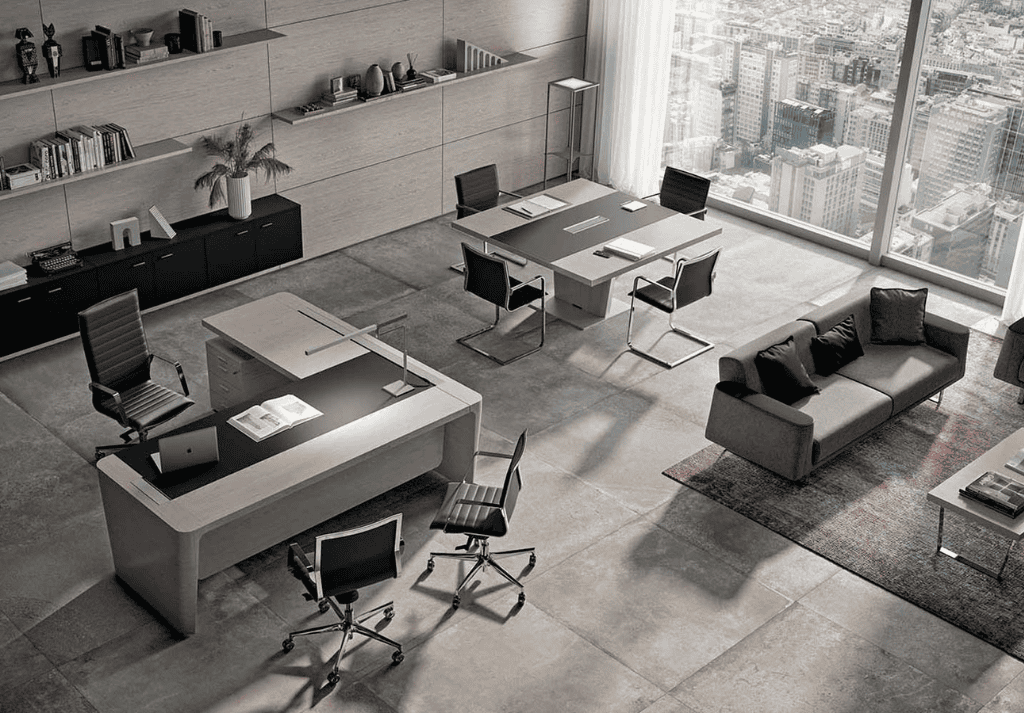
Executive Chair vs Ergonomic Chair Understanding the Key Differences
When comparing an ergonomic chair vs executive chair, the main difference lies in their design priorities. Ergonomic chairs are built around workplace health and posture. They include adjustable features that allow users to customise the chair to their body and working position. Executive chairs focus more on comfort, prestige, and visual impact. They are often larger, more padded, and designed to complement executive desks or boardroom settings.
Typical differences include:
Ergonomic Office Chairs
- Designed for long periods of desk work
- Highly adjustable for posture support
- Often made with breathable materials
- Prioritise spinal alignment and comfort
Executive Office Chairs
- High-back designs with a premium appearance
- Often upholstered in leather or leather-look materials
- Extra padding for comfort
- Commonly used in leadership offices or meeting rooms
If you’re exploring executive seating options in more detail, you can read BT Office’s guide to executive office chairs which explains their design and features in depth.
Understanding the Benefits of Ergonomic Office Chairs
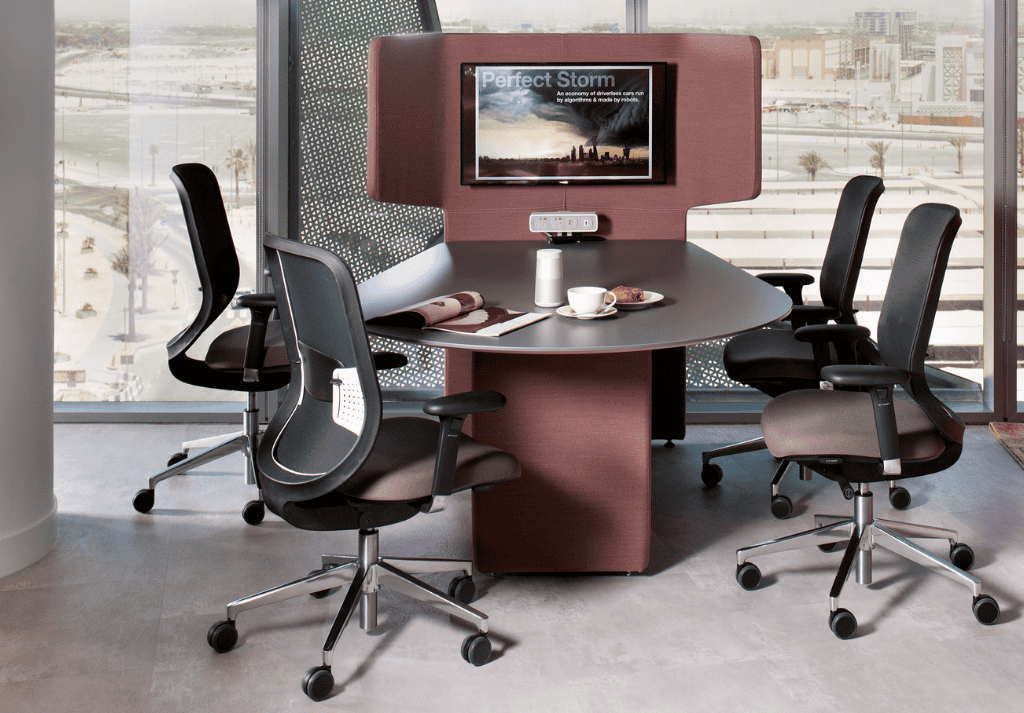
Ergonomic office chairs are designed to support the way people actually work throughout the day. Instead of offering a fixed seating position, they allow users to adjust different parts of the chair so it fits their body, desk setup, and working posture. Most ergonomic chairs include features such as adjustable lumbar support, seat height controls, tilt mechanisms, armrest adjustments, and breathable materials. These elements help users maintain a comfortable and supported position while working, reducing pressure on the back, shoulders, and neck during long periods of sitting.
Because they can be tailored to different body types and working styles, ergonomic chairs are widely used in modern offices where employees spend much of their day at a computer. Businesses increasingly choose ergonomic seating as part of a broader workplace wellbeing strategy, helping support comfort and productivity across their teams.
For a deeper overview of the features that define high-quality ergonomic seating, you can read BT Office’s buying guide for ergonomic office chairs. You can also explore the full range of ergonomic chairs available from BT Office for modern workspaces.
Understanding the Benefits of Executive Office Chairs
Executive office chairs are commonly used in leadership offices, private workspaces, and formal meeting environments where comfort and professional presentation are equally important. Their design focuses on providing a premium seating experience while reinforcing the visual identity of an executive workspace.
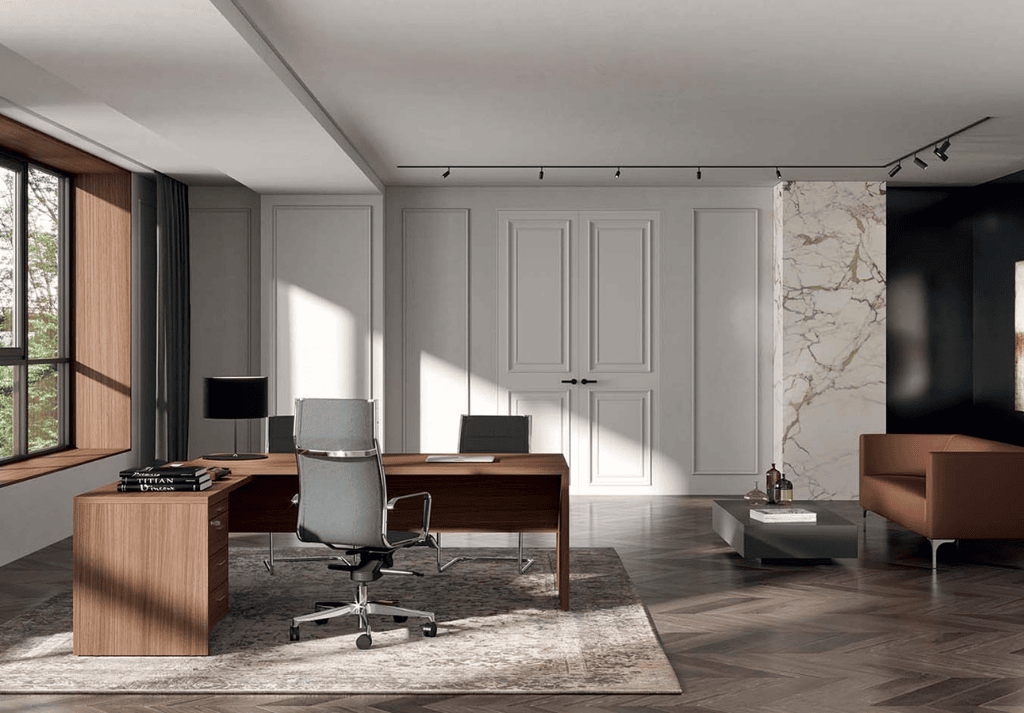
These chairs are typically characterised by a high-back structure, generous cushioning, and high-quality upholstery that supports the upper body during long meetings or desk work. Compared with ergonomic task chairs, executive chairs are often designed with a stronger emphasis on comfort and aesthetics, making them a popular choice for directors’ offices and boardrooms.
Common features of executive office chairs include a high-back design that supports the shoulders and upper back, helping provide comfort during long meetings or desk work. They are typically built with plush cushioning to enhance the seating experience, while leather or leather-look upholstery adds a premium feel and durability. Together, these elements create a refined and professional appearance, making executive chairs particularly well suited to leadership offices, boardrooms, and client-facing workspaces.
Executive chairs are frequently selected to complement executive desks or boardroom furniture, helping create a polished and cohesive office environment. At the same time, modern executive seating has evolved to include ergonomic elements. The BT Office range of executive chairs includes ergonomic features designed to let you work in ultimate comfort, combining the premium look of executive seating with the support needed for everyday work.
You can explore the available options in the executive office chairs collection.
Materials, Durability, and Build Quality in Ergonomic vs Executive Office Chairs
When comparing executive chairs vs ergonomic chairs, materials and build quality play an important role in long-term comfort, durability, and maintenance. The materials used in each type of chair affect not only the visual style of the workspace but also how the chair performs during everyday use.
Executive chairs are often designed with premium materials that reinforce their professional appearance. They are commonly upholstered in genuine leather or PU leather, sometimes combined with polished metal frames or wood accents. These materials contribute to a sophisticated look that works well in directors’ offices and boardrooms. Executive chairs are typically built with a sturdy base and high-density foam cushioning, which helps them maintain comfort and structure over time. With proper care, many executive chairs can last between five and ten years, although leather upholstery may require occasional conditioning and can feel less breathable in warmer environments.
Ergonomic chairs, by contrast, are usually designed with materials that prioritise airflow, flexibility, and daily usability. Many models feature breathable mesh backs, durable fabrics, and lightweight metal or polymer frames. These materials help regulate temperature and support long periods of sitting, which is why ergonomic chairs are often used in workstations where employees spend most of the day at a computer. High-quality ergonomic chairs are engineered for regular use and typically last between three and eight years depending on their construction and frequency of use. Mesh and fabric materials are also generally easier to maintain and clean.
Regardless of the type of chair, build quality remains a key consideration. Features such as a strong metal base, smooth-rolling castors, and solid structural components contribute to long-term durability. Certifications like BIFMA or EN1335 can also indicate that a chair meets recognised standards for safety, stability, and performance.
Executive vs Ergonomic Chairs Materials and Durability Overview
| Feature | Executive Chair | Ergonomic Chair |
| Common Materials | Leather, PU leather, wood, metal | Mesh, fabric, polymer, metal |
| Durability | 5–10 years with proper care | 3–8 years depending on usage |
| Maintenance | Leather may require conditioning and is less breathable | Easy to clean and highly breathable |
| Warranty | Often 3–5 years depending on manufacturer | Typically 1–3 years, longer for premium models |
| Certifications | Often BIFMA or EN1335 compliant | Often BIFMA or EN1335 compliant |
Choosing the Right Chair Based on How the Office Is Used
When deciding between an ergonomic chair vs executive chair, the right option often depends on how the chair will be used within the workspace. Different roles in an organisation place different demands on office seating, from employees working long hours at desks to leadership teams hosting meetings or managing teams.
In many modern offices, seating decisions are not limited to choosing one type of chair for everyone. Instead, businesses often select different chairs depending on the function of the space and the needs of the people using it. Ergonomic chairs are commonly preferred in workstations where employees spend extended periods working at computers, while executive chairs are often chosen for leadership offices and formal meeting areas where both comfort and professional appearance are important.
Understanding these different workplace scenarios helps organisations choose seating solutions that support both productivity and office design. The following sections compare how ergonomic chairs vs executive chairs perform in two common office situations: long desk-based work and leadership office environments.
Ergonomic Chairs vs Executive Chairs for Long Working Hours
When comparing ergonomic chairs vs executive chairs for long working hours, ergonomic chairs are generally the better choice for sustained desk work. They are designed to support posture and reduce strain during extended periods of sitting, which is especially important for employees who spend most of their day working at a computer. Features such as adjustable lumbar support, seat height, seat depth, and armrests allow users to customise the chair to their body and workstation setup, helping maintain proper spinal alignment and comfort throughout the day.
Executive chairs, while very comfortable, are typically designed with a stronger focus on cushioning, style, and a premium office aesthetic. Their high-back design and plush upholstery make them ideal for leadership offices, meeting rooms, or environments where appearance and comfort are both important. However, they often offer fewer adjustment options than dedicated ergonomic chairs, which can make them less suitable for employees who spend the entire day working at a desk.
Overall, ergonomic chairs are usually the best option for employees who work long hours at computers because they prioritise adjustability and posture support. Executive chairs provide comfort and a refined professional appearance and are particularly well suited to directors’ offices and formal workspaces, especially when modern executive models include ergonomic features that combine style with functional support.
Executive vs Ergonomic Chair Which Is Better for Leadership Offices
In leadership environments, office furniture often needs to balance comfort with a strong professional appearance. When comparing executive vs ergonomic chairs for leadership offices, executive chairs are often the preferred choice because they create a polished and authoritative impression while still offering a comfortable seating experience.
Executive chairs are commonly used in directors’ offices, boardrooms, client meeting spaces, and leadership workspaces. Their high-back design, generous cushioning, and premium upholstery contribute to a sense of professionalism and help create a refined office environment that aligns with senior roles.
That said, comfort and support remain important for leadership teams who may spend long hours working at their desks or attending meetings. For this reason, many organisations choose executive chairs that incorporate ergonomic features, allowing leaders to benefit from both the visual presence of executive seating and the posture support typically associated with ergonomic chairs.
Factors to Consider When Choosing Between Executive and Ergonomic Chairs
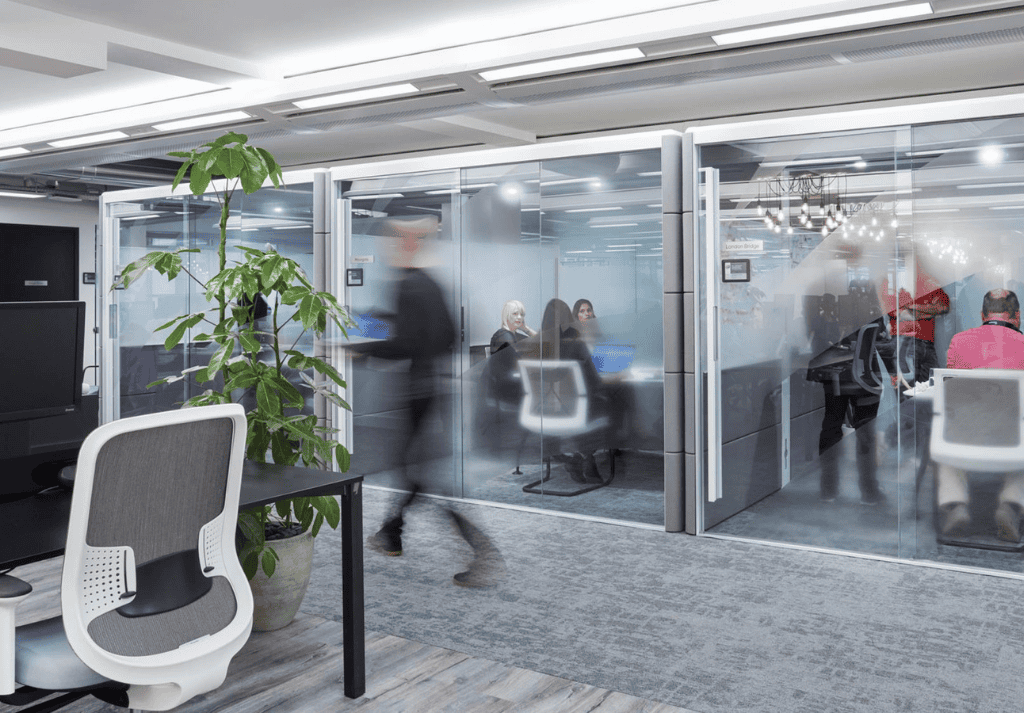
When deciding between ergonomic vs executive chair options, several practical factors should guide the decision. The right choice often depends on how the chair will be used, who will be using it, and the overall design of the workspace.
Working hours
Employees who spend most of their day at a desk typically benefit from ergonomic chairs because they offer greater adjustability and posture support.
Office design
Executive chairs often complement traditional or premium office interiors, particularly in directors’ offices or meeting rooms where visual presentation matters.
Employee wellbeing
Comfortable seating that supports posture can help reduce fatigue and contribute to a more productive working environment.
Budget considerations
Both ergonomic and executive chairs are available at a wide range of price points depending on materials, adjustability features, and design quality.
Workplace culture
Some organisations prioritise highly ergonomic workstations focused on employee wellbeing, while others prefer a more traditional executive office aesthetic for leadership spaces.
Considering these factors helps businesses choose seating solutions that support both employee comfort and the overall design of the office.
Finding the Right Seating Solution for Your Office
The decision between an executive office chair vs ergonomic chair ultimately depends on how your team works and the type of workspace you want to create. Ergonomic chairs are usually the best option for employees who spend long hours working at desks and require adjustable support throughout the day. Executive chairs, on the other hand, provide premium comfort and a refined professional appearance that works particularly well in leadership offices and meeting rooms.
For many organisations, the most effective approach is to combine both options. Ergonomic seating can support daily desk work across the wider team, while executive chairs help create comfortable and professional environments in leadership spaces.
At BT Office, businesses can explore a wide range of ergonomic and executive seating solutions designed for modern workplaces. Whether you are upgrading individual workstations or planning a full office fit-out, choosing the right office chair helps create a workspace that supports comfort, productivity, and long-term wellbeing. If you would like guidance on selecting the most suitable seating for your workspace, you can contact BT Office experts for tailored advice and recommendations.
Frequently Asked Questions About Ergonomic vs Executive Office Chairs
What is the main difference between an executive chair and an ergonomic chair?
The main difference is that ergonomic chairs focus on adjustability and posture support for long desk work, while executive chairs prioritise comfort, style, and a professional appearance.
Which chair is better for long hours of computer work?
Ergonomic chairs are generally better for long hours of computer work because they provide adjustable support that helps maintain proper posture and reduce strain.
Can executive chairs also be ergonomic?
Yes, many modern executive chairs include ergonomic features such as lumbar support, adjustable height, and tilt mechanisms to combine comfort with professional design.
What should I look for in an ergonomic office chair?
Look for features such as adjustable lumbar support, seat height adjustment, armrests, tilt mechanisms, and breathable materials that help support posture during long periods of sitting.
Are executive chairs suitable for home offices?
Yes, executive chairs can work well in home offices, especially for users who want a comfortable and professional-looking chair for meetings or managerial tasks.
How long do executive and ergonomic chairs typically last?
Executive chairs often last between five and ten years with proper care, while ergonomic chairs typically last between three and eight years depending on their materials and usage.
Do these chairs require special maintenance?
Executive chairs with leather upholstery may require occasional conditioning, while mesh and fabric ergonomic chairs are usually easier to clean and maintain.
What certifications should I look for in an office chair?
Look for recognised certifications such as BIFMA or EN1335, which indicate that the chair meets established standards for safety, durability, and performance.
How do I know if my chair is properly adjusted?
A properly adjusted chair should allow your feet to rest flat on the floor, your knees to sit at roughly a 90-degree angle, and your lower back to be supported by the chair’s lumbar support.
Can I mix executive and ergonomic chairs in one office?
Yes, many organisations use ergonomic chairs for everyday workstations and executive chairs in leadership offices or meeting rooms to balance comfort, functionality, and professional design.