


The Real Workspace Problems Modern Businesses Face
Modern workplaces are changing fast, but many offices haven’t kept up. While businesses invest heavily in technology and strategy, the physical workspace itself is often overlooked, despite being one of the biggest drivers of productivity, wellbeing, and retention.
Below are the most common workspace problems modern businesses face, and why they matter more than many leaders realise.
In many cases, the issue isn’t just “having the wrong furniture” but a lack of joined-up thinking around how the space is used day to day. Teams are expected to collaborate, focus, and move between hybrid working styles, yet the environment they work in is often designed around outdated assumptions. This leads to inefficiencies such as overcrowded areas, underused zones, poor posture setups, and environments that create distraction rather than focus.
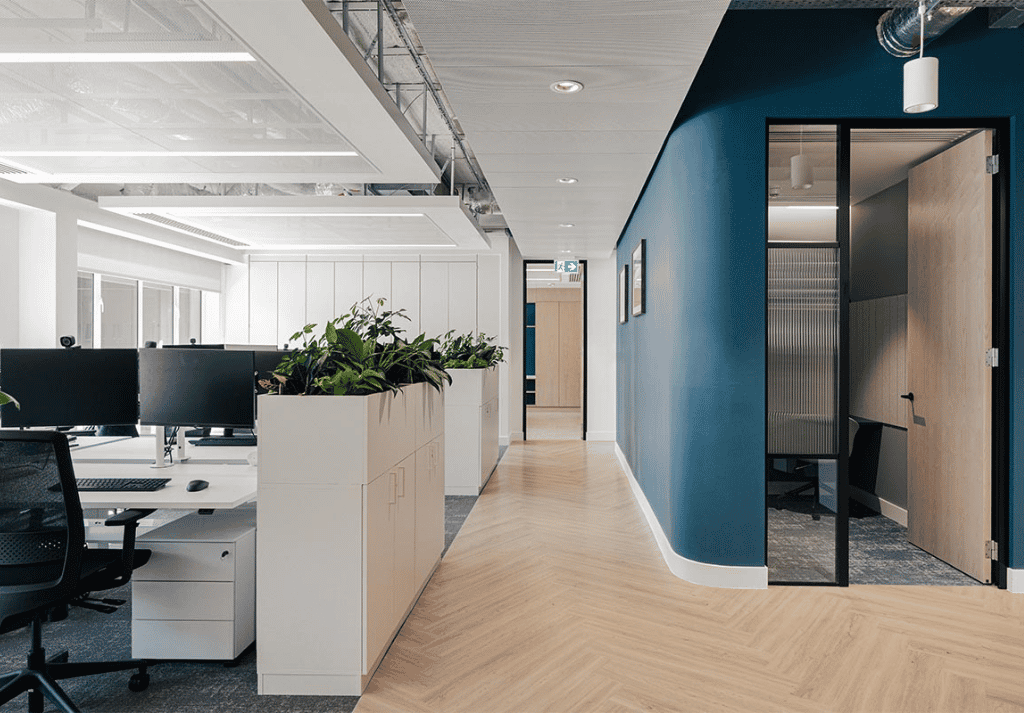
Over time, these small friction points add up. Employees may not always articulate it directly, but discomfort, fatigue, and frustration quietly impact performance and morale. Businesses then experience the knock-on effects: reduced productivity, increased absenteeism, and higher staff turnover.
This is where BT Office can make a real difference. Instead of treating office furniture as isolated purchases, BT Office takes a more holistic approach helping businesses assess how their space functions. From identifying layout inefficiencies to recommending suitable desks and ergonomic seating, the focus is on creating workspaces that actively support the people using them.
By combining practical space planning with quality office furniture solutions, BT Office helps organisations move away from reactive fixes and towards long-term workspace improvements. The result is an environment that not only looks better but works better, supporting healthier teams, more efficient workflows, and a stronger overall workplace experience.
Table of Contents
Why so many modern offices are failing the people who work in them
How poor desk setups create discomfort and slow teams down
Why the wrong office chairs cause more damage than most businesses realise
How a poorly designed workspace affects staff wellbeing and retention
What modern businesses should look for when fixing their workspace
Choosing the right office desks for the way your team actually works
Selecting office chairs that support health and long working hours
How small workspace changes can deliver big improvements in output
How BT Office helps modern businesses solve their workspace challenges
Frequently Asked Questions About Workspace Problems in Modern Offices
Why so many modern offices are failing the people who work in them
A surprising number of offices still rely on outdated layouts, unsuitable furniture, and rigid working setups that don’t reflect how people work today. Many of these issues stem from poor initial planning and avoidable design mistakes. In fact, understanding common pitfalls early can prevent long-term inefficiencies, this guide on 10 mistakes to avoid with your office space planning highlights where businesses often go wrong.
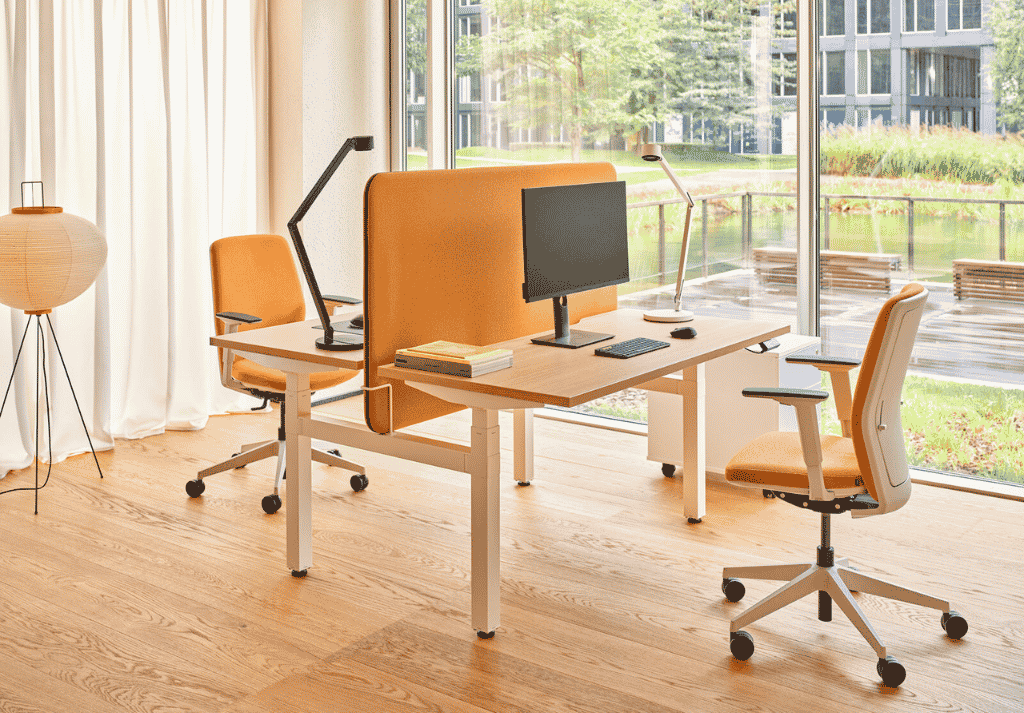
Hybrid working, flexible schedules, and collaborative workflows demand adaptable environments, but many workplaces remain static and inefficient.
A big part of the problem is how businesses try to balance cost control with workplace improvement. Many companies especially those with growing teams of 10, 50, or even 200+ employees, delay changes because a full office refit feels expensive, disruptive, and difficult to justify. As a result, they continue working in spaces that no longer support how their teams operate, simply because they are trying to avoid the cost and downtime of a full fit-out.
At the same time, leadership teams often know the workspace isn’t working but aren’t sure where to start. The idea of replacing everything at once can feel overwhelming, particularly when budgets are tight or when different departments have conflicting needs. This leads to a “make do” approach, where small issues are patched temporarily rather than properly resolved.
What many businesses don’t realise is that improving an office doesn’t have to mean a complete overhaul. A staggered, phased approach, upgrading key areas over time such as desks, chairs, or high-impact collaborative zones can spread cost, reduce disruption, and still deliver measurable improvements in comfort and productivity.
BT Office supports this kind of gradual transformation by helping businesses prioritise what will make the biggest difference first. Instead of pushing a full refit, the focus is on practical steps that align with budget, team size, and how the space is used day to day. This allows companies to modernise their workspace in a controlled, cost-effective way while still improving employee experience from the outset.
How poor desk setups create discomfort and slow teams down
One of the most common workplace problems is poorly designed desk setups. When desks are too high, too low, cramped, or inflexible, employees quickly experience discomfort.
Choosing the right workstation is essential, and modern solutions like office desks can significantly improve day-to-day comfort and workflow.
Discomfort in desk setups usually comes from a combination of small design issues that build up over time. A desk that isn’t properly matched to the user’s height can force awkward posture, leading to strain in the neck, shoulders, and lower back. Similarly, limited leg space or poor desk depth can push users into unnatural seating positions, especially during long periods of focused work.
Another common issue is clutter and lack of organisation. When cables, monitors, and equipment are poorly arranged, employees are often forced to twist, reach, or lean repeatedly throughout the day. These repeated micro-movements might seem minor, but over time they contribute to fatigue and reduced concentration.
In many offices, inflexible layouts also play a role. Fixed-height desks or overcrowded workstations make it difficult for employees to adjust their environment to suit their needs. This lack of adaptability becomes especially problematic in hybrid or long-hour working patterns, where comfort directly impacts productivity.
Lighting and screen positioning also affect desk comfort more than many businesses realise. Poor screen height or glare from overhead lighting can lead to eye strain and headaches, further reducing focus and increasing fatigue throughout the day.
When combined, these issues don’t just cause physical discomfort, they slow teams down. Employees take more breaks, lose focus more easily, and experience a gradual decline in output across the working day.
For businesses planning a full workspace upgrade, BT Offices blog 10 steps to planning the perfect office environment provides a structured approach to getting it right from the start.
Why the wrong office chairs cause more damage than most businesses realise
Office chairs are often underestimated, but they play a major role in long-term employee health. Cheap or unsuitable chairs can contribute to back pain, poor posture, and reduced concentration.
Investing in ergonomic office chairs helps support healthier working habits and long-term productivity. A good office chair is one of the most important investments a business can make because it directly affects how each individual works throughout the day. However, the key isn’t just buying “ergonomic chairs” in general, it’s ensuring the chair is properly tailored to the person using it and the type of work they do.
Different employees have different needs. Someone working long hours at a fixed desk will require stronger lumbar support, adjustable armrests, and a seat that promotes movement and posture changes throughout the day. Meanwhile, employees who frequently shift between meetings, collaboration spaces, and desk work may benefit from lighter, more flexible seating that supports quick adjustments and mobility.
Adjustability is also critical. A chair should allow users to customise seat height, backrest tilt, and lumbar positioning so it aligns with their body shape and working posture. Without this level of adjustment, even a well-designed chair can still lead to discomfort over time.
In addition, factors such as body type, desk height, monitor position, and daily working hours all influence how effective a chair will be. When these elements are ignored, employees often compensate by slouching, leaning forward, or shifting constantly leading to fatigue and strain.
By taking the time to match chairs to individual needs rather than treating them as a one-size-fits-all purchase, businesses can significantly improve comfort, reduce physical strain, and support healthier, more productive working habits across the team.
How a poorly designed workspace affects staff wellbeing and retention
Workplace issues don’t just affect productivity; they directly influence how people feel about their job. Poor layouts, lack of space, and inefficient movement patterns all contribute to frustration and fatigue.
Avoiding these issues often comes down to smarter spatial design. Learning from proven approaches such as 4 different layout ideas for modern offices can help businesses create more adaptable and enjoyable work environments.
When a workspace is poorly designed, it can quietly impact how long employees choose to stay with a company. Constant discomfort, noise distractions, and inefficient layouts all add to daily stress levels, making work feel more draining than it needs to be. Over time, this can lead to disengagement, where employees feel less connected to their environment and less motivated to stay long term.
This balance plays a direct role in work-life wellbeing. If employees are physically comfortable and mentally supported during working hours, they are less likely to carry stress outside of work. This leads to improved morale, better job satisfaction, and ultimately higher retention rates.
In contrast, when the workspace works against them rather than with them, even strong company culture can struggle to keep people engaged. That’s why thoughtful layout planning is not just about aesthetics or efficiency, it’s a key factor in creating a workplace where people feel supported, valued, and more likely to stay long term.
What modern businesses should look for when fixing their workspace
Fixing a workspace isn’t just about replacing furniture, it’s about understanding how people move, collaborate, and focus throughout the day. Businesses that take a structured approach to planning tend to see better long-term results, especially when they avoid rushed decisions and short-term fixes.

In many cases, meaningful improvement doesn’t require a full redesign. Small, targeted changes can make a noticeable difference to both performance and employee experience. For example, improving layouts to create clearer movement paths can reduce congestion and make collaboration feel more natural. Even simple adjustments like repositioning desks or opening tighter areas can improve flow across the office.
Upgrading seating is another high-impact change. Replacing worn or unsuitable chairs with more supportive options can immediately improve comfort and reduce fatigue, especially for employees working long hours at a desk. These kinds of ergonomic improvements often deliver some of the quickest gains in day-to-day productivity and wellbeing.
Introducing natural elements such as plants can also have a surprisingly positive effect. Greenery helps soften harsh office environments, improves air quality perception, and contributes to a calmer, more focused atmosphere.
Finally, creating informal breakout spaces, even small, ad hoc ones, gives employees somewhere to step away from their desks, reset, and collaborate more freely. These areas don’t need to be large or expensive; even a corner with flexible seating can encourage better communication and more balanced working habits.
Taken together, these kinds of incremental improvements allow businesses to modernise their workspace without disruption, while steadily building a more comfortable, flexible, and productive environment.
Choosing the right office desks for the way your team actually works
Not all desks are created equal. The right office desks should support different working styles, including focused individual work and collaborative sessions. Modern office desks can help create more flexible and efficient environments.
Well-chosen desks also improve organisation, reduce clutter, and support better posture throughout the day. By matching desk design to how teams use the space, businesses can improve comfort, workflow efficiency, and overall productivity without needing major structural changes.
Selecting office chairs that support health and long working hours
A good chair should support posture, movement, and long hours of sitting without strain. Ergonomic office chairs are designed to reduce fatigue and support consistent performance throughout the day.
When combined with a healthy workspace approach like 6 ways to create a healthy office, businesses can significantly improve employee wellbeing.
The right chair also allows individual adjustment for height, lumbar support, and arm positioning, helping each user maintain a natural posture. This reduces pressure on the spine and encourages healthier movement habits, which can make long working hours more comfortable and sustainable.
How small workspace changes can deliver big improvements in output
You don’t always need a full office redesign to solve workplace issues. Small changes like improving layout flow, updating seating, or refining desk placement, can make a big difference.
In practice, some of the highest-impact improvements come from simple, targeted adjustments. Repositioning desks to reduce distractions or improve natural light can instantly improve focus levels. Updating worn or unsuitable chairs can quickly boost comfort and reduce fatigue without disrupting the wider office setup.
Even small layout refinements such as widening walkways, separating high-traffic areas, or creating clearer zones for focused and collaborative work can make the space feel more organised and efficient. Adding subtle improvements like better cable management or decluttering shared surfaces can also reduce visual stress and help employees stay more focused.
The key is identifying friction points in how people use the space, then making practical adjustments that improve comfort, flow, and usability without requiring major disruption or investment.
How BT Office helps modern businesses solve their workspace challenges
Many businesses struggle to identify what’s wrong with their workspace in the first place. A structured approach to planning and design helps remove guesswork and ensures long-term success.
BT Office supports businesses by helping them move from uncertainty to a clear, practical workspace strategy. Instead of focusing only on individual products, the approach looks at how the entire office functions as a connected environment—how teams move through the space, where bottlenecks occur, and where improvements will have the biggest impact.
This often starts with understanding current challenges such as inefficient layouts, underused areas, or furniture that no longer supports the way people work. From there, BT Office can help prioritise changes in a logical order, whether that’s upgrading key seating areas, improving desk arrangements, or introducing more flexible work zones.
A key benefit is the ability to implement improvements in phases rather than requiring a disruptive full office refit. This staged approach allows businesses to spread investment over time while still delivering immediate gains in comfort, productivity, and usability.
By combining practical workspace planning with suitable furniture solutions, BT Office helps organisations create offices that are more efficient, adaptable, and better aligned with how modern team’s work.
Ready to fix the workplace problems holding your team back? Book a free workspace assessment and we’ll prioritise the highest-impact changes for your office, your budget and your team size, no full refit required.
Frequently Asked Questions About Workspace Problems in Modern Offices
What is the most popular type of office desk?
Bench desks are currently among the most popular office desk types because they maximise floor space, support collaboration and work well in modern open-plan offices.
Is a height-adjustable desk worth it for an office?
Yes. Height-adjustable desks can improve comfort, encourage movement and support employee wellbeing. Many businesses see them as a valuable long-term investment.
Can I mix different desk types in the same office?
Absolutely. Many businesses combine bench desks, executive desks and height-adjustable workstations to suit different departments, roles and working styles.