


Durable Furniture for High-Traffic Gym Spaces
Gyms are busy, fast-paced environments where furniture needs to withstand far more than everyday commercial use. From members arriving at reception and waiting for classes to people relaxing in lounge areas, grabbing a drink in the café or catching up with friends after a workout, gym furniture can be in constant use throughout the day.
Unlike a traditional office environment, gym furniture is exposed to a particularly demanding combination of heavy daily use, moisture, sweat, frequent cleaning and high footfall. Seating may be used repeatedly by different members, tables need to cope with food and drinks, and reception areas need to maintain a professional appearance despite being one of the busiest parts of the building.
This is why choosing durable gym furniture should be considered as part of the wider design and planning process. Furniture needs to look good and reflect the gym’s brand, but it also needs to be comfortable, practical, easy to maintain and capable of standing up to the demands of everyday use. Selecting the right specification from the outset can help reduce premature wear and avoid the cost and disruption of regularly replacing furniture.Durability is particularly important as modern gyms become more than places to exercise.
Many facilities now incorporate reception lounges, cafés, juice bars, social spaces, informal work areas and relaxation zones, giving members more opportunities to spend time within the space. Each area has its own furniture requirements, making it important to choose products based on how they will be used.
For gyms looking to create welcoming spaces that continue to look their best over time, investing in high traffic commercial furniture can help provide a more reliable long-term solution. By combining hard-wearing materials and robust construction with comfortable, well-designed furniture, gyms can create interiors that support both their members and their day-to-day operation.
Key Takeaways
- Specify upholstery at 40,000+ Martindale rubs (BS EN ISO 12947-2) for gym reception and lounge seating. Treat anything under 30,000 as domestic-grade.
- Ask for BS EN 16139 certification — the standard for strength, durability and safety in non-domestic seating. It is what separates contract furniture from domestic furniture sold into commercial settings.
- Upholstered seating in a gym generally needs to meet BS 7176 medium hazard for fire resistance. Confirm the level with your fire risk assessment.
- Vinyl and leather suit sweat-contact zones because they wipe clean; high-rub contract fabric suits lounge areas away from equipment; polypropylene suits café and juice bar seating because it washes completely.
- Specify zone by zone — reception, lounge, café and breakout each have different wear, moisture and cleaning demands.
- Check that components can be reupholstered or replaced rather than the whole item scrapped. It is the biggest driver of lifetime cost.
Table of Contents
Why Gym Furniture Faces More Wear Than Most Commercial Spaces
What to Look for in Durable Furniture for Busy Gyms
How Durable Seating Improves the Member Experience
Why Easy to Clean Furniture Keeps Gym Spaces Hygienic
How to Furnish Reception and Lounge Areas That Last
How BT Office Can Help You Furnish Hard Wearing Gym Spaces
Why Gym Furniture Faces More Wear Than Most Commercial Spaces
Unlike a traditional office, gym furniture is used by a constantly changing group of people throughout the day. A reception chair might be occupied hundreds of times, while lounge seating can experience continuous use during peak periods.
Gym environments also present additional challenges. Sweat and moisture, frequent cleaning, bags and personal belongings, food and drinks, and constant movement can all contribute to accelerated wear.
This means furniture selected for a gym needs to be considered differently from furniture intended for a lower-traffic office. Durability, cleanability and construction should all form part of the specification from the beginning.
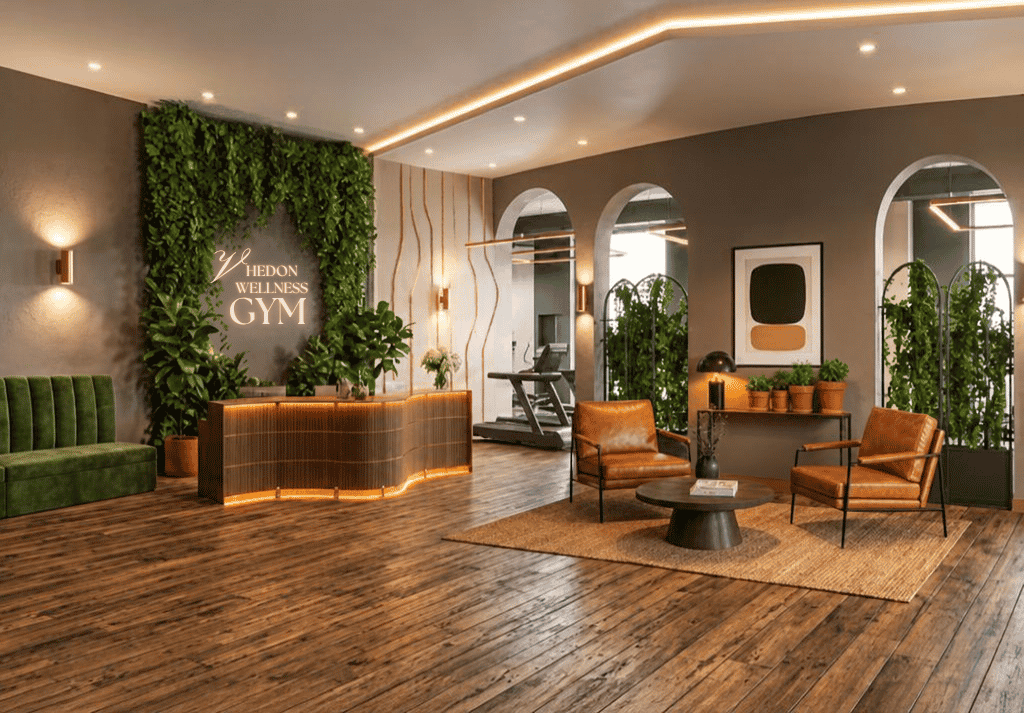
What to Look for in Durable Furniture for Busy Gyms
When choosing furniture for a gym, it is worth looking beyond the initial appearance and considering how each product will perform after months or years of daily use.
| Consideration | Why It Matters in a Gym |
| Upholstery | Should withstand frequent use and regular cleaning without quickly showing signs of wear. |
| Frame construction | Strong frames and quality joints help seating cope with repeated daily use. |
| Surface finish | Durable, easy-clean finishes are particularly useful for tables and café furniture. |
| Maintenance | Furniture that can be cleaned quickly and easily helps keep communal areas looking fresh. |
| Comfort | Hard wearing does not have to mean uncomfortable. Seating should support members while they wait or relax. |
| Design | Furniture should complement the gym’s branding and create an inviting member experience. |
Thinking about these factors at the planning stage can help gyms invest in furniture that remains practical and attractive for longer.
Which Materials Handle Sweat Moisture and Heavy Use
Material choice has a significant impact on how well furniture performs in a gym environment. With high levels of footfall, regular cleaning and exposure to sweat and moisture, choosing the right upholstery and surface finishes can make a noticeable difference to the longevity of your furniture.
| Material | Best Zone | Cleaning | Watch Out For |
| Commercial vinyl (PU/PVC) | Reception, sweat-contact seating | Wipe clean with mild detergent | Alcohol and bleach wipes can crack the surface — check supplier guidance |
| Leather | Premium lounge, member areas | Wipe clean; periodic conditioning | Higher cost; marks from sweat and sun cream if not maintained |
| Contract fabric (40,000+ rubs) | Lounge and breakout areas away from equipment | Vacuum and spot clean | Absorbs moisture — avoid in direct sweat-contact zones |
| Polypropylene | Café, juice bar, stackable seating | Fully washable | Less comfortable for long sitting periods |
| HPL / commercial laminate | Tables, worktops, reception desks | Wipe clean; resists sanitiser | Edge banding is the failure point — specify sealed or postformed edges |
| Powder-coated steel frames | All zones | Wipe clean | Check for chipping where frames stack or contact walls |
For cafés, juice bars and informal dining areas within a gym, polypropylene café chairs can also be a particularly practical choice. Known for being hard wearing and easy to maintain, polypropylene chairs are well suited to busy environments where seating is likely to be used frequently throughout the day. They are also commonly available in a wide range of colours, shapes and styles, making it easier to introduce your gym’s branding or create a coordinated interior scheme. From bold statement colours to more understated neutral tones, polypropylene seating can combine durability with the visual flexibility needed for modern gym cafés and social spaces.
For tables and other hard surfaces, durable laminate finishes can also be a practical choice, particularly in café, juice bar and lounge areas where food, drinks and frequent wiping are expected.
The right material will ultimately depend on where the furniture is being used. A reception chair may have different requirements from a café chair, while a coffee table in a members’ lounge may need a different specification again. The important thing is to specify materials according to the demands of each space rather than taking a one-size-fits-all approach.
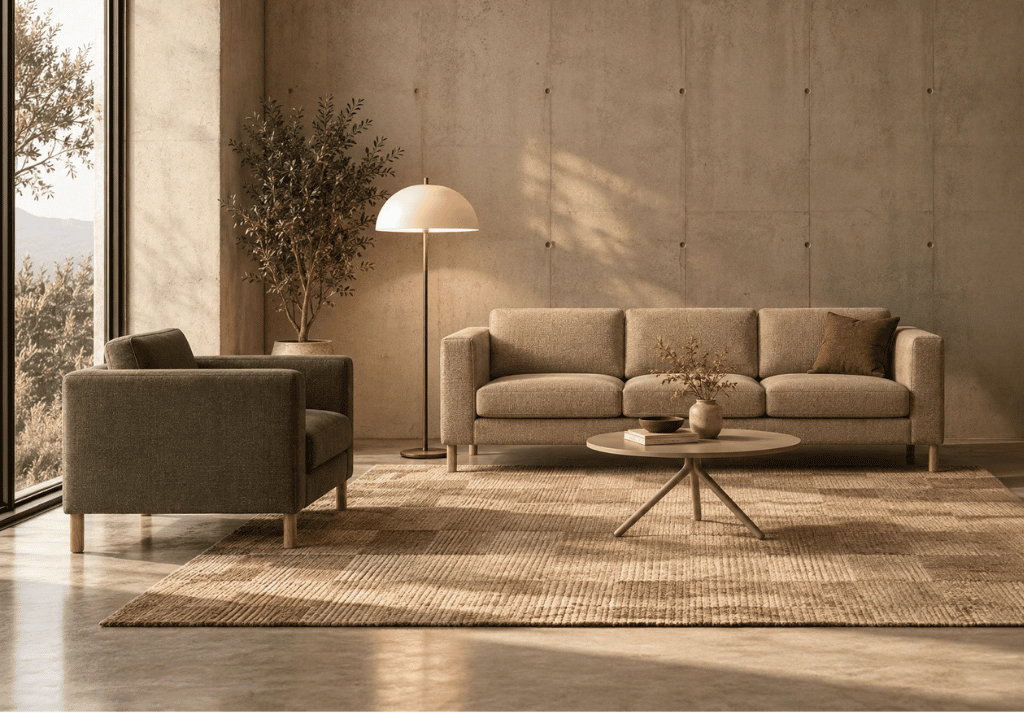
How Frames and Upholstery Affect Long Term Durability
The outer appearance of a chair is only part of the story. The frame, joints and internal construction all influence how well furniture will cope with repeated use.
For high-traffic areas, commercial-grade seating with robust frames and quality construction can provide a more reliable long-term solution. Upholstery should also be selected based on expected usage, cleaning requirements and the overall environment.
One important consideration when selecting upholstered furniture is the fabric’s Martindale rub rating. The Martindale test measures how much abrasion a fabric can withstand before showing significant signs of wear. For a busy gym, choosing a high-traffic fabric with a higher Martindale rating can be a sensible way to ensure upholstery is better suited to repeated daily use.
While the exact rating required will depend on the furniture and application, selecting a fabric specifically designed for heavy commercial use can help reduce premature wear. This is particularly relevant for reception seating, lounge chairs and sofas that may be used continuously throughout the day.
For areas where members are likely to sit and relax for longer periods, comfortable lounge chairs can combine the comfort expected in a gym lounge with the durability required in a commercial setting.
For reception and lounge seating, leather can be a durable and easy-to-maintain option. It offers a premium appearance while being relatively straightforward to wipe clean, making it well suited to areas where furniture is likely to experience frequent daily use. It can also add a more sophisticated finish to reception and member lounge areas.
Where budget is a key consideration, vinyl can provide a more cost-effective alternative to leather. Modern commercial vinyl upholstery is available in a wide range of colours and finishes and can be particularly practical for high-use environments where easy cleaning and maintenance are important.
Ultimately, choosing the right combination of frame construction, upholstery and fabric specification can make a significant difference to the lifespan of gym furniture. Investing in products designed for high-traffic environments at the outset can help reduce premature replacement, supporting both the quality of the space and the long-term furniture budget.
How Durable Seating Improves the Member Experience
Durability should never come at the expense of comfort. Modern gym members expect more than simply somewhere to exercise, with reception areas, lounges, cafés and informal breakout spaces becoming an important part of the overall member experience.
Comfortable seating can give members somewhere to relax before or after a workout, meet friends, wait for personal training sessions or even catch up on work. Well-chosen office sofas can also translate effectively into gym lounge environments, providing a relaxed and welcoming alternative to more traditional seating.
When choosing seating for a busy gym, consider:
- Comfort: Members may spend time relaxing, socialising or waiting, so seating should provide a comfortable place to sit beyond the workout itself.
- Durability: Seating needs to withstand repeated daily use without quickly showing signs of wear.
- Style: Well-designed furniture can complement the gym’s branding and create a more considered, premium interior.
- Flexibility: A combination of sofas, lounge chairs and modular seating can create different areas for different activities.
- Maintenance: Easy-clean, hard-wearing upholstery and surfaces can help keep seating looking fresh despite high levels of use.
Ultimately, furniture that remains comfortable, attractive and well maintained contributes to a positive member experience and reinforces the perception that the gym is clean, professional and invested in its facilities.
Why Easy to Clean Furniture Keeps Gym Spaces Hygienic
Hygiene is a major consideration when furnishing any high-traffic gym. Communal furniture can be used by a large number of people throughout the day, meaning surfaces and upholstery need to be suitable for regular cleaning.
Choosing practical materials from the outset can make cleaning routines more efficient while helping furniture retain its appearance. When selecting furniture for busy gym environments, consider:
- Easy-clean upholstery: Choose fabrics and finishes that can withstand regular cleaning without quickly deteriorating or losing their appearance.
- Wipe-clean surfaces: Tables and other hard surfaces should be simple to wipe down, particularly in café, juice bar and lounge areas where food and drinks are present.
- Accessible designs: Furniture that is easy to access around, underneath and between can make routine cleaning much more straightforward.
- Durable finishes: Surfaces should be able to cope with frequent cleaning while continuing to look presentable over time.
- Practicality: Consider how the furniture will perform after hundreds of uses and repeated cleaning, rather than focusing solely on how it looks when first installed.
These considerations are particularly important in reception seating, café spaces and members’ lounges, where furniture is likely to experience continuous use throughout the day.
For further inspiration on creating comfortable, sociable areas, our guide exploring whether sofas are essential for modern workspaces also highlights the role soft seating can play in creating more relaxed communal environments.
How to Furnish Reception and Lounge Areas That Last
Reception and lounge areas are often the first impression a member has of a gym. They therefore need to balance visual impact with practicality.
A well-planned reception might combine a statement reception desk with comfortable visitor seating, while a members’ lounge could include sofas, armchairs, coffee tables and flexible occasional seating.
For reception areas, modular reception seating can provide a flexible way to create different configurations while making the most of the available floor space. Modular designs can also be useful when a gym’s requirements change over time.
Rather than selecting individual pieces in isolation, consider how the furniture works together. A consistent colour palette and complementary materials can create a more considered interior, while selecting robust products ensures the space can cope with everyday demands.
For larger facilities, creating different zones can also help the furniture work harder. A combination of relaxed lounge seating, café-style tables and informal workspaces can give members greater choice in how they use the space.
What to Consider When Choosing Gym Reception Seating
Reception seating needs to make a strong first impression while being capable of handling repeated daily use.
Comfort and durability should work together. Members may only sit down for a few minutes, but over the course of a day, the same seating could be used by dozens or even hundreds of people.
It is also worth considering the amount of space available, how easily the seating can be cleaned and whether the layout needs to change over time. Modular or lightweight seating can provide greater flexibility, particularly in gyms where reception areas are also used for events, promotions or member engagement.
When selecting individual chairs for a gym lounge or reception area, factors such as ergonomics, proportions, upholstery and intended use should all be considered. Our guide on how to choose lounge chairs for a modern office provides useful considerations that can also be applied when specifying seating for busy gym environments.
Ultimately, the best reception seating combines a welcoming appearance with the robustness expected from high traffic commercial furniture.
How BT Office Can Help You Furnish Hard Wearing Gym Spaces
At BT Office, we understand that gym furniture needs to balance durability, comfort, practicality and design. The right furniture should not only withstand the demands of a busy gym but also help create an environment that feels welcoming and professional for members.
Whether you are furnishing a gym reception, members’ lounge, café, juice bar or breakout area, our team can help you select furniture suited to the demands of a high-traffic commercial environment.
From individual furniture selections through to space planning, furniture layouts and complete commercial fit-outs, we can help you make the most of your available space. By understanding how each area will be used, we can recommend furniture that is practical for staff, comfortable for members and built to withstand everyday use.
If you’re looking to create a gym space that combines hard-wearing furniture with a considered, welcoming design, BT Office can help.
Ready to start planning your gym space? Contact BT Office today to discuss your requirements and find the right commercial furniture solution for your gym, from durable reception and lounge seating to café furniture and complete gym fit-outs.
Frequently Asked Questions About Durable Gym Furniture
What is the most durable material for gym furniture?
There is no single material that is best for every gym. The right choice depends on how and where the furniture will be used. Durable commercial laminates can be suitable for high-use tables and surfaces, while hard-wearing, easy-clean upholstery can be appropriate for reception and lounge seating.
How often should gyms replace lounge and reception furniture?
There is no set replacement period. Furniture lifespan depends on its construction, usage levels, maintenance and environment. High-quality commercial furniture can provide many years of service when properly specified and maintained. Regular inspections can help identify when individual pieces need repairing or replacing.
Which furniture is easiest to clean in a busy gym?
Furniture with smooth, accessible surfaces and suitable commercial upholstery is generally easier to maintain. Wipe-clean table surfaces and fabrics designed to withstand regular cleaning can be particularly useful in busy reception, café and lounge environments.
How can gyms choose seating that handles heavy daily use?
Look for seating designed for commercial environments, with robust frames, quality construction and hard-wearing upholstery. Consider how frequently the seating will be used and cleaned, as well as the type of environment it will be placed in. Selecting furniture based on these factors can help ensure it performs well over the long term.