


Why Durable Furniture Matters in Busy Classrooms
Classrooms are busy environments where furniture is used continuously throughout the school day. Tables are moved, chairs are pulled in and out, surfaces are cleaned and furniture is regularly rearranged to support different lessons, group activities and teaching styles. Unlike furniture in a typical office or home environment, classroom furniture needs to cope with frequent use by multiple pupils, often with tables and chairs being moved several times throughout the day.
Choosing durable classroom furniture is therefore about much more than appearance. Schools need tables and chairs that can withstand knocks, scrapes, repeated movement and everyday wear while remaining stable, comfortable and practical. Furniture also needs to be easy to clean and maintain, particularly in busy classrooms where surfaces are regularly exposed to spills, marks and general day-to-day mess.
The quality and durability of classroom furniture can have a direct impact on the learning environment too. Damaged, unstable or uncomfortable furniture can become a distraction for pupils and teachers, while well-designed, hard-wearing furniture provides a reliable foundation for everyday learning. From individual desks and chairs to flexible group-work tables, every piece needs to be suitable for the demands of the space and the age of the children using it.
Investing in hard wearing school furniture can therefore help schools reduce maintenance requirements, minimise unnecessary replacement costs and make better use of their furniture budgets. Rather than replacing tables and chairs every few years, choosing robust products designed for regular educational use can provide better long-term value and help classrooms continue to look professional and function effectively year after year.
For schools planning a refurbishment or investing in new classroom furniture, durability should be considered alongside comfort, safety, flexibility and design. Getting this balance right can create learning spaces that are practical for teachers, comfortable for pupils and built to withstand the demands of everyday classroom life.
 Key Takeaways
- Specify classroom seating and tables to BS EN 1729-2:2023 — the standard covering safety requirements and test methods for educational chairs and tables. Ask for the test certificate.
- BS EN 1729-1:2015 governs sizing: size marks 1–6, from a 260 mm seat height for ages 3–4 up to 460 mm for ages 14+. Furniture sized to the wrong mark wears faster because pupils sit badly in it.
- Frames and joints fail before surfaces do. Welded steel frames outlast bolted assemblies, which loosen under daily movement.
- Replaceable components — seat pads, glides, tops — are the single biggest driver of whole-life cost. Confirm parts availability before ordering.
- Compare whole-life cost, not purchase price. Budget furniture replaced every 3–4 years costs more across a 10-year cycle than contract-grade bought once.
- Inspect termly. Loose joints, damaged edges and unstable frames are the most common causes of classroom furniture-related incidents.
Table of Contents
Why Classrooms Put Furniture Under So Much Daily Stress
What Durability Really Means for School Furniture
How Durable Furniture Protects School Budgets Over Time
Why Safety and Compliance Depend on Hard Wearing Furniture
How to Choose Durable Tables and Chairs for Busy Classrooms
How BT Office Can Help You Furnish Classrooms That Last
Why Classrooms Put Furniture Under So Much Daily Stress
School furniture is exposed to considerably more daily use than furniture in many other environments. A classroom table or chair may be used by dozens of pupils over the course of a week, with furniture regularly moved to accommodate group work, activities, assemblies and different teaching layouts.
Chairs are constantly being pulled across floors, while tables may be pushed together, separated or moved around the classroom. Younger children can place additional demands on furniture through energetic everyday use, making strength, stability and durability particularly important.
This is why furniture designed for flexible learning environments, such as training room tables, can also provide useful inspiration when considering how furniture needs to cope with regular movement and changing room layouts.
With this level of activity, durable classroom furniture needs to be designed to cope with repeated use rather than simply looking good when it is first installed.
What Durability Really Means for School Furniture
Durability refers to how well furniture maintains its strength, stability, appearance and functionality over an extended period of regular use.
For classroom furniture, this can include:
| Durability Feature | Why It Matters in Classrooms |
| Strong frames | Help furniture remain stable through frequent movement and everyday use |
| Secure joints | Reduce the risk of tables and chairs becoming loose or unstable |
| Durable surfaces | Help protect against scratches, knocks and general wear |
| Easy-clean finishes | Make it easier to maintain a hygienic classroom environment |
| Robust construction | Allows furniture to cope with repeated use by different pupils |
| Repairable components | Can help extend the lifespan of furniture and reduce unnecessary replacement |
Hard wearing school furniture should continue to perform effectively even when subjected to the demands of a busy educational environment.
Which Materials Stand Up Best to Constant Classroom Use
The materials used in classroom furniture have a major influence on its lifespan. High-quality manufactured boards with durable finishes can provide practical, easy-to-maintain surfaces for tables and desks, while solid timber can offer strength and longevity when appropriately constructed.
Metal is also widely used for classroom furniture frames because it provides a strong, stable structure that can cope with regular movement. Powder-coated metal finishes can provide additional protection against everyday wear.
The same principle applies when selecting seating. Robust construction is particularly important for chairs that are used repeatedly throughout the day. Schools looking beyond the classroom can also explore office chairs to understand the different construction, comfort and durability features available across professional seating.
The best choice will depend on how the furniture is being used, but schools should always look beyond the initial appearance and consider how materials will perform after months and years of daily use.
When selecting durable classroom furniture, consider both the materials and the quality of construction to ensure the products are suitable for the demands of the environment.
How Frames and Joints Affect How Long Furniture Lasts
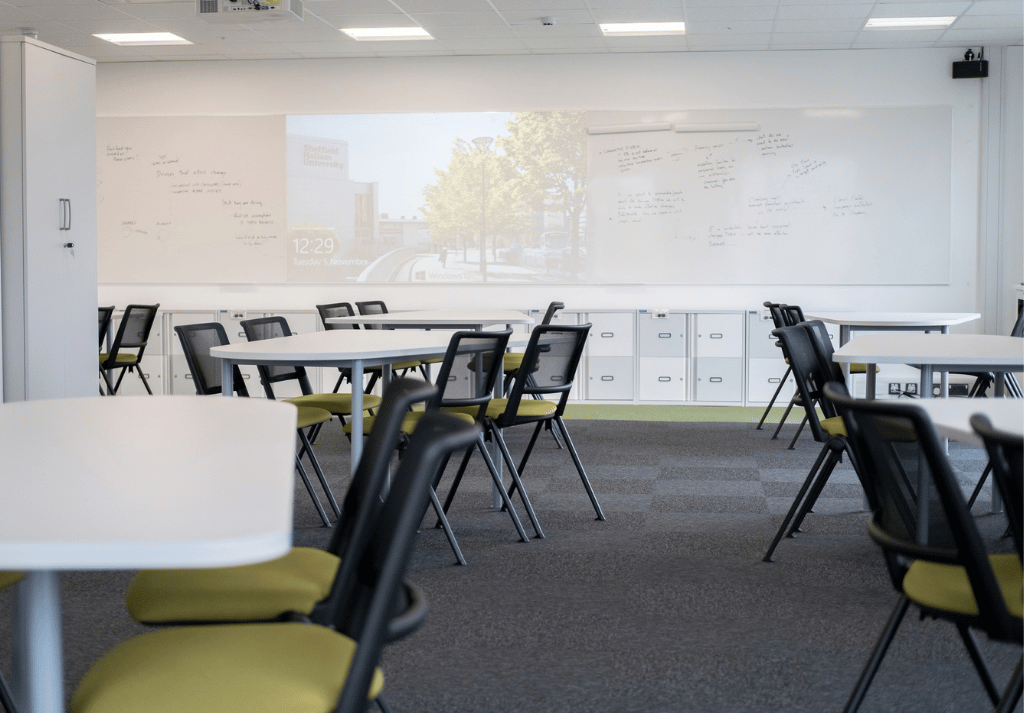
A classroom table is only as strong as its construction. Even a high-quality tabletop can have a limited lifespan if the frame or joints are not robust enough for frequent use.
Welded or securely fixed metal frames can provide excellent stability, while well-designed joints help prevent furniture from becoming loose or unstable over time. Chairs should also have strong connections between their seat, back and frame to withstand repeated movement.
For classrooms that need furniture to be moved regularly, stacking chairs can be particularly practical. Stacking meeting room chairs demonstrate how seating can combine robust construction with easy storage and flexibility.
When comparing hard wearing school furniture, schools should consider the quality of the entire construction rather than focusing solely on the tabletop or seat material.
How Durable Furniture Protects School Budgets Over Time
The cheapest furniture is not always the most cost-effective option. Replacing damaged tables and chairs regularly can quickly increase the overall cost of furnishing a classroom.
Durable classroom furniture can provide better value by reducing the frequency of replacements and helping schools make the most of their initial investment. It can also reduce disruption caused by damaged furniture that needs to be removed, repaired or replaced.
For schools working within carefully managed budgets, considering whole-life value rather than simply the initial purchase price can make a significant difference.
Investing in hard wearing school furniture from the outset can therefore help schools manage long-term furniture costs more effectively.
For additional ideas on selecting furniture that supports practical and engaging learning environments, schools can also explore these STEM classroom furniture ideas.
Why Safety and Compliance Depend on Hard Wearing Furniture
Furniture that becomes damaged or unstable can create unnecessary safety concerns within the classroom. Loose joints, damaged surfaces, sharp edges or unstable frames can all affect how safely furniture can be used.
Hard wearing furniture helps maintain its structural integrity through regular use. Schools should also select products designed specifically for educational environments and check that they meet relevant standards and safety requirements.
Regular inspections remain important too. Even the most durable classroom furniture should be checked periodically for signs of damage, loose components or excessive wear.
How to Choose Durable Tables and Chairs for Busy Classrooms
When selecting classroom tables and chairs, consider how the furniture will be used throughout the school day.
| What to Look For | Benefit |
| Robust frames and secure joints | Provide stability and help furniture withstand frequent use |
| Scratch-resistant surfaces | Help maintain the appearance of tables and desks |
| Easy-clean materials | Make every day cleaning and maintenance simpler |
| Stable construction | Reduces movement and helps create a safer working environment |
| Age-appropriate dimensions | Supports comfortable and suitable seating for pupils |
| Replaceable components | Can extend the useful life of furniture |
| Flexible designs | Make it easier to adapt classrooms for different activities |
It is also worth considering flexibility. Furniture that can be easily moved and rearranged can support different teaching methods, but it must still be strong enough to cope with frequent repositioning.
Choosing durable classroom tables and chairs can help schools create flexible learning spaces without compromising on long-term performance.
What to Check Before You Buy Classroom Tables and Chairs
Before purchasing new classroom furniture, schools should assess both the product and the environment in which it will be used.
Consider the age and size of pupils, the number of users, the amount of daily movement and whether furniture needs to be regularly reconfigured. Think about cleaning requirements too, particularly in classrooms where surfaces need to be wiped down frequently.
It is also useful to check:
- Product specifications and dimensions
- Frame and joint construction
- Surface durability
- Available finishes
- Warranty information
- Replacement parts and components
- Cleaning and maintenance requirements
- Suitability for the intended age group
Taking the time to compare these factors can help schools choose hard wearing school furniture that delivers reliable performance rather than simply meeting an immediate need.
For a more detailed approach to comparing furniture, layouts and practical requirements, our ultimate training room furniture buying guide provides further considerations that can also be applied when planning flexible educational spaces.
 How BT Office Can Help You Furnish Classrooms That Last
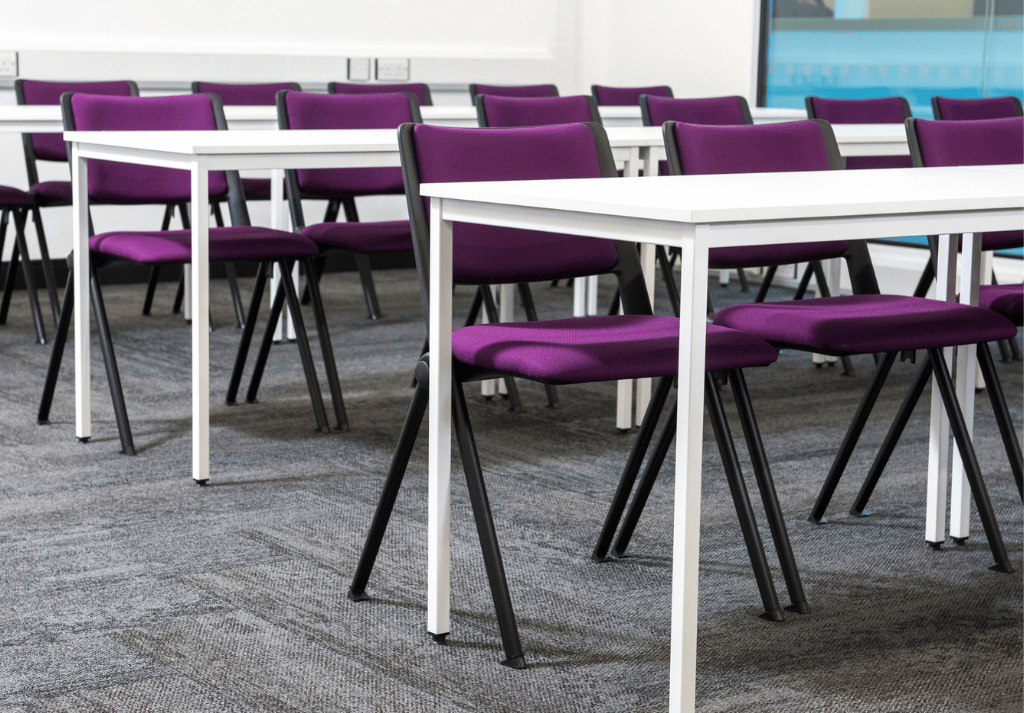
At BT Office, we understand that educational furniture needs to combine durability, practicality and comfort with a design that works for modern learning environments.
We supply a range of classroom tables, chairs and storage solutions suitable for schools, colleges and other educational settings. Our team can help you select durable classroom furniture based on the age of pupils, classroom layout, available space and how the room will be used.
Comfort is another important consideration when selecting seating for environments where pupils and teachers may spend long periods sitting. Understanding the principles behind office chair comfort and posture can provide useful insight into the importance of supportive seating and appropriate ergonomics.
Whether you are replacing furniture in a single classroom or planning a larger education fit-out, we can help you create practical learning environments designed to stand up to everyday use.
From classroom tables and chairs to storage solutions, our range of hard-wearing school furniture is designed to support the demands of busy educational spaces.
Contact BT Office to discuss your classroom furniture requirements.
Frequently Asked Questions About Durable Classroom Furniture
How long should good quality classroom furniture last?
Good quality classroom furniture should provide many years of service when it is properly specified, used and maintained. Its lifespan will depend on the quality of construction, materials, frequency of use and the environment in which it is used.
What makes school furniture hard wearing enough for daily use?
Strong frames, secure joints, durable surfaces and robust construction all contribute to hard wearing school furniture. Furniture should also be designed specifically for frequent educational use and be easy to maintain.
Are metal or wooden frames better for busy classrooms?
Both can be suitable. Metal frames are often valued for their strength and stability, while wooden frames can provide a warmer, more traditional appearance. The quality of construction is ultimately more important than the material alone.
How can schools reduce furniture replacement costs?
Choosing durable furniture, carrying out regular inspections and maintaining products properly can all help reduce replacement costs. Schools should also consider whole-life value rather than choosing furniture based solely on the lowest initial price.
Durable classroom furniture is an investment in the long-term performance of the learning environment. By choosing robust tables and chairs designed for everyday educational use, schools can create classrooms that remain safe, practical and comfortable while reducing unnecessary replacement costs.