


The Best Furniture for Libraries and Quiet Study Zones
Libraries and quiet study areas need to support concentration, comfort and flexibility. Whether the space is part of a school, college, university or workplace, the right library furniture can make it easier for people to read, research, work independently and collaborate when needed.
Modern libraries are no longer simply places for storing and borrowing books. They are increasingly used as flexible learning and working environments, providing spaces for independent study, computer-based work, reading, group projects and quiet reflection. This means the furniture needs to accommodate a variety of activities while helping the space remain organised, comfortable and welcoming.
Choosing library furniture involves more than selecting desks and chairs. Storage, acoustics, zoning, accessibility and the way people move through the space all need to be considered together. The layout should make it easy for users to find what they need while providing a suitable balance between open, collaborative areas and quieter spaces for focused work.
From library bookcases and shelving to acoustic booths, study pods, comfortable chairs and flexible desks, each element has a role to play. Well-planned furniture can help define different areas, manage noise, maximise available space and create a more comfortable environment for longer study sessions.
In this guide, we explore the best library furniture for creating practical and adaptable libraries and quiet study zones, including how to choose shelving, seating, desks and acoustic solutions that work together as part of the wider space.
Key Takeaways
- Choose library furniture that supports different activities, from quiet individual study to group work and reading.
- Use acoustic furniture, booths, pods and screens to help reduce distractions and create calmer study areas.
- Select library bookcases that provide sufficient storage while maintaining clear sight lines and accessible circulation routes.
- Combine desks, ergonomic chairs and informal seating to support different users and longer study sessions.
- Use furniture and zoning to separate quiet study areas from collaborative and higher-traffic spaces.
- Consider durability, flexibility, accessibility, maintenance and technology when selecting furniture for busy libraries.
- Plan the library as a complete environment, bringing together library furniture, storage, acoustics and space planning for a more practical and comfortable result.
Table of Contents
- Why Libraries and Quiet Study Zones Need Purpose Built Furniture
- How Acoustic Furniture Keeps Study Spaces Calm and Focused
- Why Library Bookcases and Shelving Shape How a Space Works
- What Desks and Seating Suit Long Study Sessions
- How to Zone a Library for Quiet Study and Group Work
- What Facilities Managers Should Consider When Furnishing a Library
- How BT Office Can Help You Create Libraries and Quiet Study Zones That Work
Why Libraries and Quiet Study Zones Need Purpose Built Furniture
Modern libraries have changed considerably. While books and traditional reference materials remain important, many libraries and learning spaces now provide a combination of individual study areas, collaborative spaces, computers, informal seating and quiet zones.
This means library furniture needs to accommodate different ways of working without allowing the space to become distracting or overcrowded.
Purpose-built library furniture can help create clear areas for different activities while making the most of the available floor space. Desks can provide dedicated individual workstations, comfortable chairs can support longer periods of study, while library bookcases can provide essential storage while helping to define different areas.
Durability is also important. Educational furniture is used heavily throughout the day, so library furniture should be robust enough to cope with regular use while remaining easy to maintain and clean.
How Acoustic Furniture Keeps Study Spaces Calm and Focused
Noise is one of the biggest challenges in an open library or study environment. Even relatively quiet conversations, phone calls or movement between areas can become distracting when several activities are taking place in the same room. Acoustic furniture can help absorb and reduce sound without requiring major building work. Explore our acoustic solutions to see how different products can help create calmer, more comfortable study environments.
Acoustic library furniture can help absorb and reduce sound without requiring major building work. Rather than creating a completely silent environment, the aim is to make different areas feel more comfortable and controlled.
Acoustic furniture can include:
- Work booths for individual study
- Acoustic pods for focused work or online learning
- High-backed seating
- Acoustic screens between desks
- Freestanding acoustic panels
- Ceiling-mounted acoustic solutions
- Upholstered seating and study areas
Used alongside good space planning, these products can help create quieter areas without making the library feel closed off.
Which Acoustic Booths and Pods Work Best for Individual Study
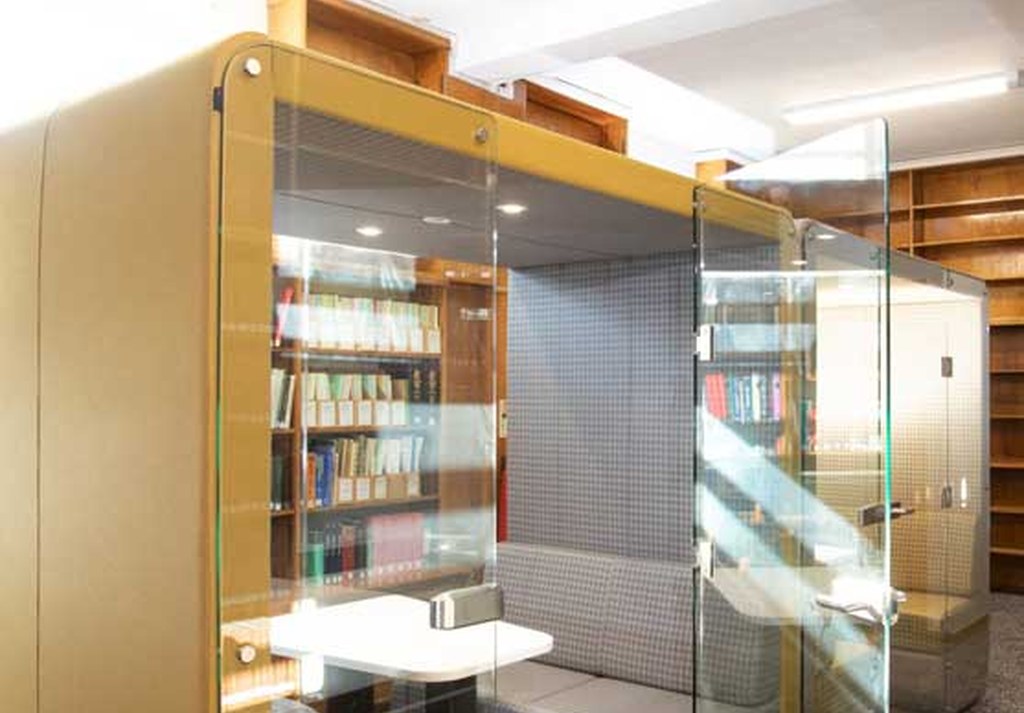
Acoustic booths and pods can provide dedicated spaces for students or staff who need somewhere quieter to concentrate.
A single-person booth can be particularly useful for focused study, reading, online learning or individual computer work. Larger acoustic pods can accommodate two or more people where the space needs to support quiet collaboration.
When selecting furniture for a study pod, consider how it will be used. A booth designed for laptop work will need an appropriate work surface and power access, while a reading or discussion pod may benefit from more relaxed seating.
Ventilation, lighting, acoustic performance and accessibility should also be considered alongside the overall size and appearance of the pod.
The aim is not simply to add as many booths as possible. They should be positioned carefully so that they complement the wider library furniture layout and leave sufficient space for circulation. Dedicated focus and quiet spaces can be particularly useful where users need somewhere away from the main library environment to concentrate.
How Acoustic Panels and Screens Reduce Noise in Open Library Areas
Acoustic panels and screens can be useful where a library needs quieter zones but there is not enough room for enclosed booths.
Desk screens can provide a degree of separation between individual workstations, helping users feel less exposed and reducing visual distractions. Freestanding acoustic panels can also divide larger areas into smaller study zones without creating permanent partitions.
This approach can be particularly effective in flexible learning environments where the library furniture layout may need to change over time.
Combining acoustic screens with soft seating, upholstered furniture and other sound-absorbing materials can help improve the overall acoustic environment while retaining an open feel. For more information, our guide to office acoustics explains how different acoustic solutions can be used to manage noise and improve a space.
Why Library Bookcases and Shelving Shape How a Space Works
Storage is one of the defining features of a library, but library bookcases and shelving do more than simply hold books. Their position can influence how people move through the room, where different activities take place and how open or enclosed the space feels. Our range of bookcases provides practical storage solutions that can be incorporated into different library layouts.
Their position can influence how people move through the room, where different activities take place and how open or enclosed the space feels.
Well-planned library bookcases can help create natural routes through a library while separating quieter study areas from busier circulation zones. Lower shelving can maintain sight lines across the room, while taller bookcases can be used to create a stronger division between areas where appropriate.
Shelving should also be positioned with accessibility and ease of use in mind. Users should be able to browse comfortably, while staff need sufficient space to restock and maintain the collection.
How to Choose Bookcases That Balance Storage with Open Sight Lines
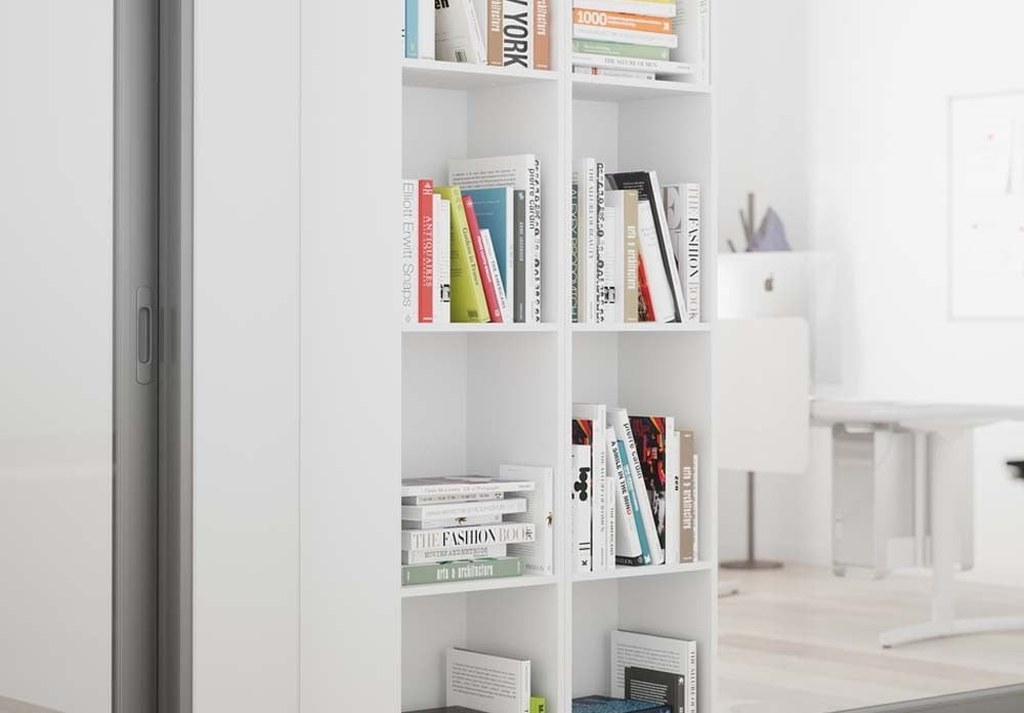
The best library bookcases depend on the size and purpose of the space.
Tall shelving can maximise vertical storage where floor space is limited, but too many tall units can make a room feel enclosed. Lower bookcases can help maintain visibility and create a more open environment, making it easier for staff to oversee the space.
When choosing library bookcases, consider:
- The quantity and type of books being stored
- Available floor and wall space
- Shelf height and accessibility
- How users move through the library
- Whether shelving will divide different zones
- The need for staff access and maintenance
- The durability of materials and finishes
A combination of shelving heights can often create a more varied and practical environment than using one style of library bookcase throughout.
What Desks and Seating Suit Long Study Sessions
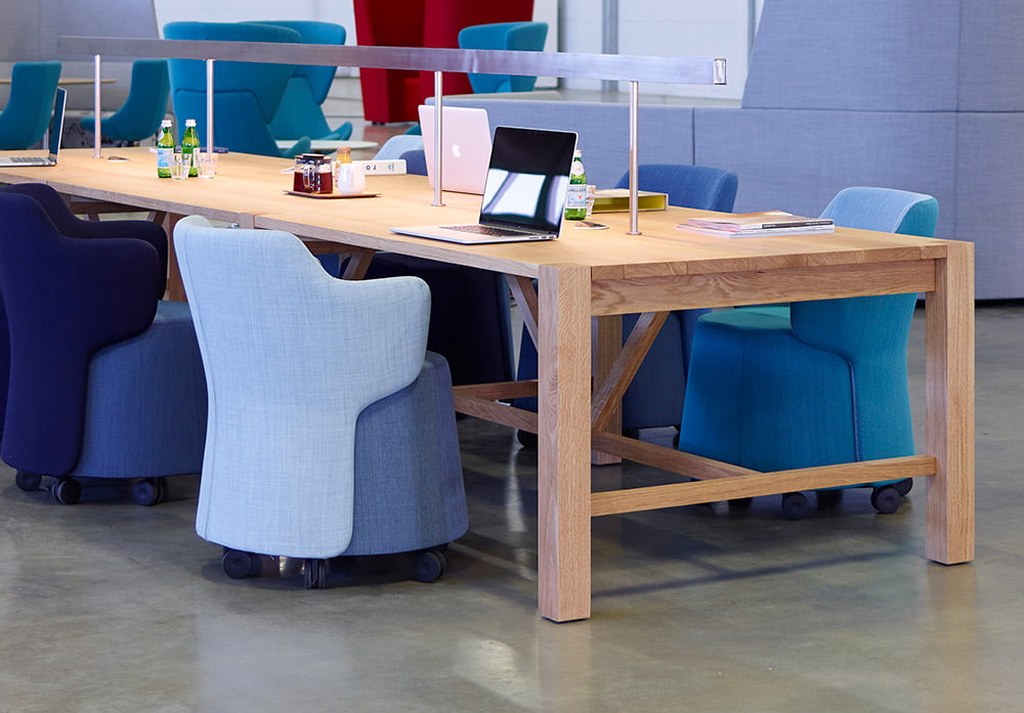
Students and other library users may spend several hours at a time reading, writing or working at a computer. Library furniture therefore needs to provide an appropriate level of comfort and support.
Individual desks are useful for focused work, particularly where users need a defined personal workspace. Larger shared tables can provide flexibility for group study and project work.
Height-adjustable desks can also offer greater flexibility, allowing users to alternate between sitting and standing where appropriate.
The choice of seating is equally important. Task chairs can support computer-based study, while more relaxed lounge seating can create comfortable areas for reading.
The key is to provide a mixture of library furniture rather than expecting one desk or chair to meet every need.
Why Comfortable Library Chairs Help Users Stay Focused for Longer
Comfort should not be treated as an afterthought when selecting library furniture.
A chair that provides appropriate support can make longer periods of reading, writing or computer work more comfortable. For study areas, look for chairs with suitable seat dimensions, back support and an appropriate height for the accompanying desk.
Different seating types can also help communicate how an area should be used. Ergonomic task chairs can indicate focused workstation areas, while lounge chairs can create more relaxed reading spaces.
Providing a choice of seating can therefore improve both comfort and the functionality of the library.
How to Zone a Library for Quiet Study and Group Work
A successful library does not necessarily need separate rooms for every activity. Careful zoning can allow different uses to coexist within one larger space, creating a flexible environment that supports both quiet study and collaborative work.
Quiet Study Areas
Individual desks, study carrels or acoustic booths can provide dedicated spaces for concentrated work. These areas should ideally be positioned away from busier parts of the library to minimise distractions.
Individual Workstation Areas
Desks with task chairs can support computer-based study and research. Providing dedicated workstations gives users a defined space to focus, while ergonomic library furniture can make longer study sessions more comfortable.
Reading Areas
Comfortable lounge chairs and smaller tables can create a more relaxed environment for reading. These areas can be positioned away from collaborative zones to provide a quieter setting for users who want to read or work independently.
Collaborative Zones
Larger tables, informal seating and acoustic pods can provide spaces for group projects, discussion and collaborative learning. Keeping these areas separate from quiet study zones can help prevent conversations from disturbing users who need to concentrate.
Storage and Circulation Areas
Library bookcases and shelving can organise resources while also helping to guide movement through the room. The positioning and height of shelving can help define different areas without completely closing them off.
Positioning noisier activities away from the quietest areas is important. For example, collaborative seating and informal discussion areas should ideally be separated from individual study zones.
Visual cues can also help. Changes in furniture style, flooring, colour or acoustic treatment can make different areas immediately recognisable without the need for permanent walls.
What Facilities Managers Should Consider When Furnishing a Library
For facilities managers, choosing library furniture involves balancing functionality, durability, budget and the needs of different users.
Before purchasing furniture, consider how the space is currently being used and whether that is likely to change in the future.
Important considerations include:
| Library furniture consideration | What to look for | Why it matters |
|---|---|---|
| Library bookcases | Durable shelving in suitable heights and configurations | Provides accessible storage while maintaining clear sight lines |
| Desks | Flexible, durable workstations with suitable sizes | Supports individual study and computer-based work |
| Library chairs | Ergonomic, supportive seating | Helps users remain comfortable during longer study sessions |
| Acoustic furniture | Study pods, booths, screens and acoustic panels | Helps reduce distractions and create quieter study areas |
| Flexible furniture | Modular or movable products | Allows the library layout to adapt to changing needs |
| Storage | Practical, accessible storage solutions | Keeps resources organised without overcrowding the space |
| Accessibility | Appropriate heights and clear circulation routes | Helps ensure the library can be used comfortably by everyone |
| Durability | Hard-wearing materials and easy-clean finishes | Important for busy educational environments |
Taking a holistic approach can help ensure that the finished library is practical, comfortable and future-proof.
How BT Office Can Help You Create Libraries and Quiet Study Zones That Work
At BT Office Furniture, we can help schools, colleges and other educational organisations create practical, comfortable and adaptable learning environments.
Our approach combines space planning, library furniture, acoustic solutions and installation to create spaces designed around how people use them.
Whether you are refurbishing an existing library, creating a new quiet study area or looking to improve an underused learning space, we can help you consider the layout, furniture and finishes together.
Our range includes desks, ergonomic seating, library bookcases, acoustic products, study pods and other furniture solutions suitable for educational environments.
From the initial planning stage through to furniture supply and installation, we can help you develop a library or study space that balances concentration, comfort, storage and flexibility.
Planning a new library or quiet study area? Contact BT Office Furniture to discuss your requirements.
Frequently Asked Questions About Library and Quiet Study Furniture
What is the best furniture for a quiet study area?
The best library furniture depends on how the space will be used, but individual desks, ergonomic chairs, acoustic screens and study booths are all useful options. A mixture of furniture can create different levels of privacy and support both focused and flexible study.
How do you reduce noise in a library without major building work?
Acoustic furniture, screens, panels, upholstered seating and study pods can help reduce noise without making structural changes. Careful zoning is also important, as separating collaborative and quiet activities can significantly improve the overall environment.
Are study pods worth it for libraries and learning spaces?
Study pods can be a useful addition where users need quieter spaces for individual work, online learning or small-group collaboration. They can create a sense of separation within an open-plan environment without requiring permanent walls.
What type of bookcase is best for a busy library?
The best library bookcases depend on the available space, storage requirements and how the library is laid out. Durable shelving with appropriate heights can provide accessible storage while maintaining clear sight lines and comfortable circulation routes.